
📖 Scripture Reading : Judges 2:11–19
✨
— Augustine of Hippo
“God never tires of forgiving us; we are the ones who tire of seeking his mercy.”
⏳ Background:
The book of Judges is not a story of steady progress. It is a downward spiral.
After Joshua’s generation died, “there arose another generation… who did not know the Lord or the work that he had done for Israel” (Judges 2:10). Forgetfulness became the seedbed of rebellion. Israel “did what was evil in the sight of the Lord and served the Baals” (Judges 2:11). The covenant people exchanged the living God for lifeless idols.
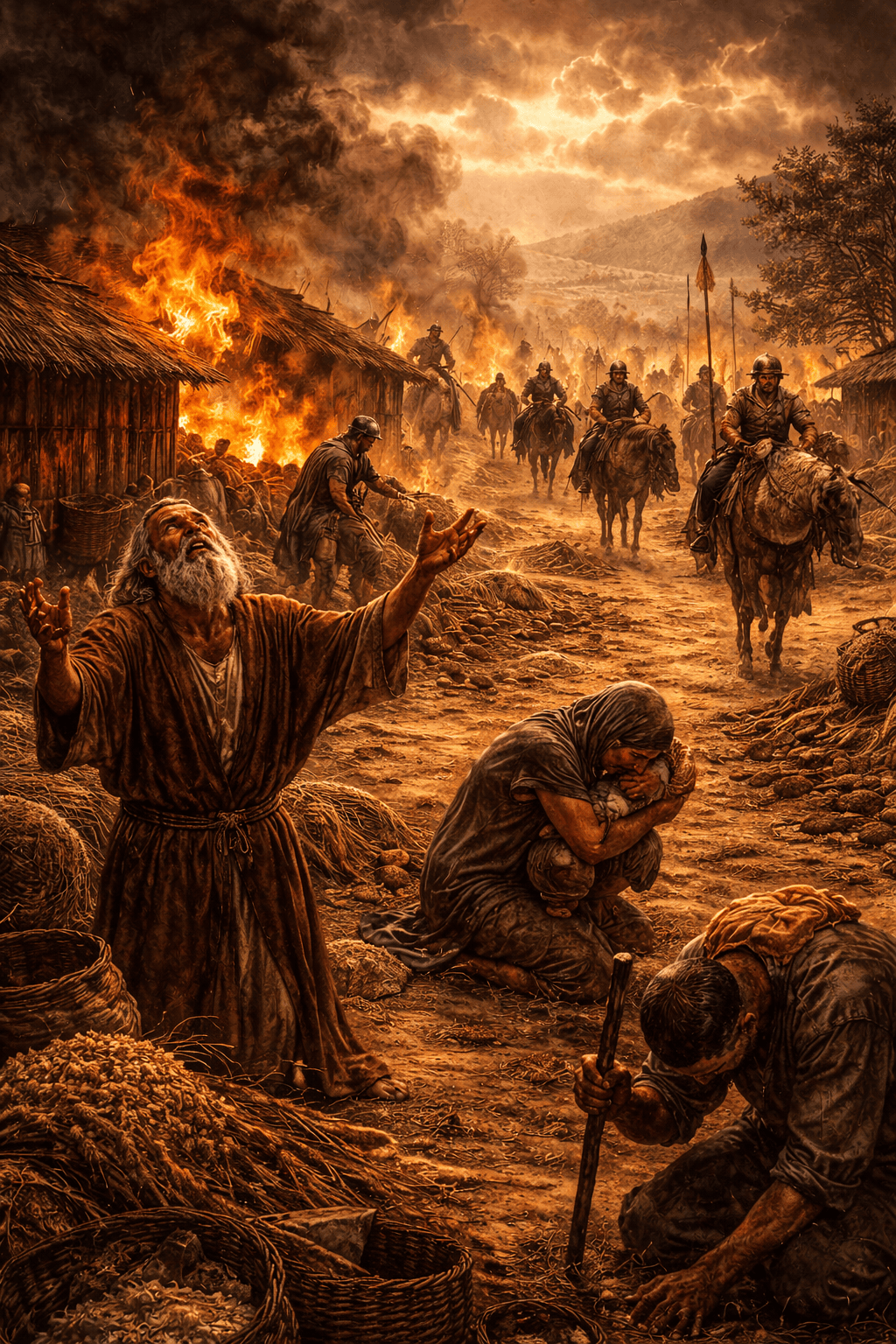
The consequences were not abstract. “The anger of the Lord was kindled… and he gave them over to plunderers” (Judges 2:14). Enemy nations—Moabites, Midianites, Philistines—invaded, oppressed, and impoverished them. Crops were stolen (Judges 6:3–4). Villages were abandoned (Judges 5:7). Fear replaced freedom.
Emotionally, this was national exhaustion. Spiritually, it was instability. They cried out in distress—but once delivered, they drifted again. Judges 2:18–19 summarizes the pattern:
Sin → Oppression → Crying out → Deliverance → Relapse.
This was not a one-time collapse. It was repeated inconsistency.
Judges like Othniel, Ehud, Deborah, Gideon, and Samson arose. Each time God delivered. Each time peace returned—sometimes for forty years (Judges 3:11; 5:31). And each time, after the judge died, “they turned back and were more corrupt than their fathers” (Judges 2:19).
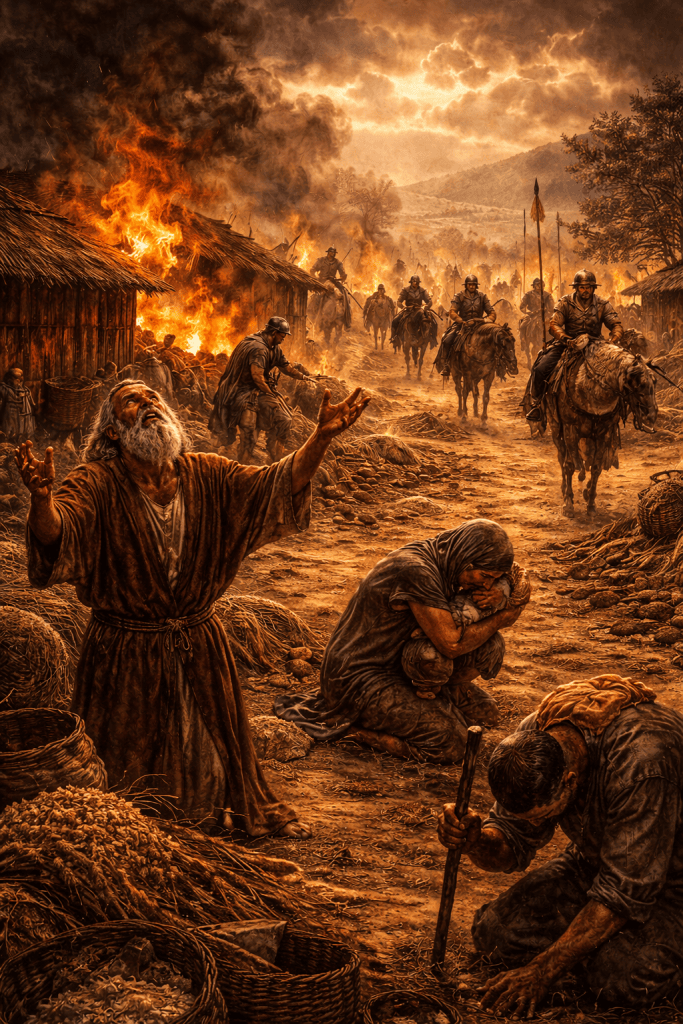
Human limitation is painfully clear. Good intentions fade. Spiritual momentum stalls. Gratitude evaporates. The people of promise repeatedly sabotaged themselves.
The tragedy is not only that they sinned—but that they knew better.
🔥 Turning Point:
Yet the most stunning feature of Judges is not Israel’s failure—it is God’s response.
“Then the Lord raised up judges, who saved them out of the hand of those who plundered them” (Judges 2:16).
They did not organize national reform first. They did not earn rescue. Deliverance began with divine initiative.
When Midian oppressed Israel, the angel of the Lord appeared to Gideon—a fearful man hiding in a winepress (Judges 6:11). God called him “mighty man of valor” before he ever fought. When Deborah rose, God empowered leadership in a spiritually fragmented nation (Judges 4–5). When Samson was born, it was announced before his conception (Judges 13), proving deliverance began in heaven long before it appeared on earth.
The turning point in Judges is always the same:
“The people of Israel cried out to the Lord” (Judges 3:9; 3:15; 6:6).
And God responded.
Not because they were consistent.
But because He was.
Every cycle of collapse was met by a cycle of mercy.
🌿 Transformation:
Each deliverance brought tangible results. Enemies were subdued. Land was regained. Peace lasted for decades in some seasons. Communities were restored. Worship was renewed.
But something deeper was being formed: a growing awareness that Israel needed more than temporary heroes. Each judge was partial, flawed, sometimes morally compromised. Samson himself, though used by God, embodied Israel’s inconsistency.
The repeated pattern created longing. The nation began to feel the weight of its instability.
Their temporary peace exposed their need for a permanent King.
While the cycles did not end within Judges, God’s faithfulness never wavered. Even in repeated relapse, He did not abandon covenant promises.
Hopelessness did not have the final word.
🕊️ Spiritual Reflection:
Judges confronts us with uncomfortable honesty: spiritual inconsistency is not new. Repeated failure does not surprise God. What feels like disqualifying weakness to us is already accounted for in His sovereign plan.

God’s sovereignty over failure does not excuse sin—but it prevents sin from overruling redemption. Israel’s repeated collapse did not cancel God’s covenant. Discipline came, but so did deliverance.

Defeat often precedes transformation because defeat exposes our inability to save ourselves. The cycles in Judges teach that human strength, charisma, and temporary reforms cannot sustain lasting faithfulness. We need a deeper rescue.

Throughout the Old Testament, cycles of rebellion and mercy continue—from wilderness wanderings to exile and return. God remains faithful to His covenant despite human instability.

Judges anticipates the need for a final Judge and King. Jesus Christ fulfills what temporary judges could not—complete and lasting deliverance. In Him, rescue is not cyclical but decisive.

God can overturn repeated collapse into ultimate victory.
💬 Closing Encouragement:
There are seasons when we recognize patterns in our lives that resemble Judges—cycles of resolve and relapse, devotion and drift, courage and compromise. We grow weary of disappointing ourselves and fear we have disappointed God beyond repair. Shame whispers that this time failure is final. Yet the book of Judges teaches us that divine mercy outlasts human inconsistency. When we cry out again, God does not respond with irritation but with intervention. Our repeated need does not exhaust His steadfast love. Therefore, we rise again, repent again, trust again, and walk forward again. We do not give up.
🙏 Prayer:
Faithful Lord, when we fall into familiar failures, remind us of Your unwavering mercy. Raise us up when we cry out to You. Break our cycles and lead us into lasting victory. Amen.


Leave a comment