
📖 Scripture Reading : 2 Chronicles 33
✨
— John Bunyan
“Where sin abounded, grace did much more abound.”
⏳ Background:
Manasseh did not merely drift into sin; he plunged into it deliberately. At twelve years old he began to reign in Jerusalem, and for fifty-five years he led Judah into darkness (2 Chronicles 33:1). He rebuilt the high places his father Hezekiah had torn down. He erected altars to Baal, worshiped the host of heaven, and even placed carved idols inside the very temple of the Lord (vv. 3–7). The sacred became polluted under his watch.
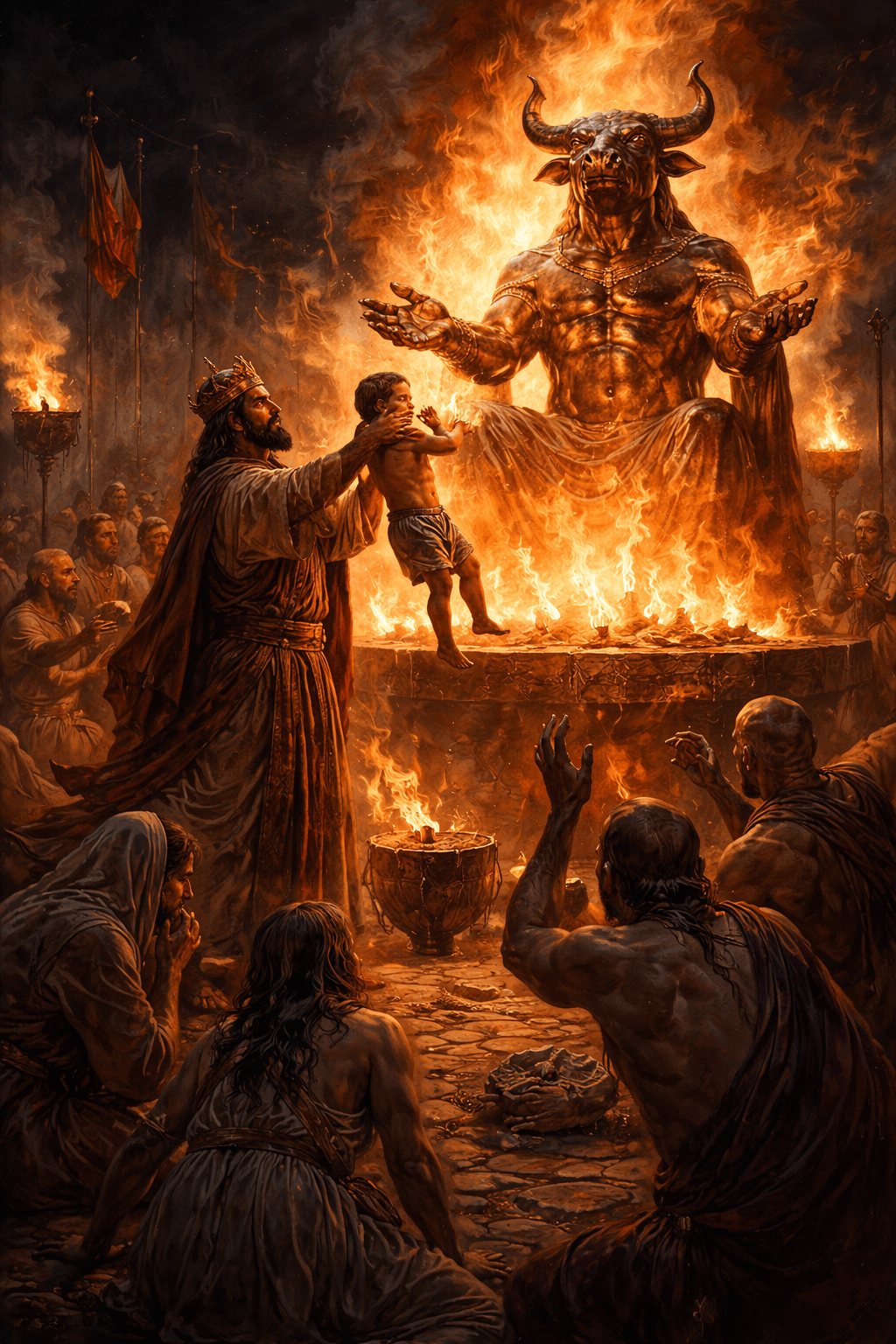
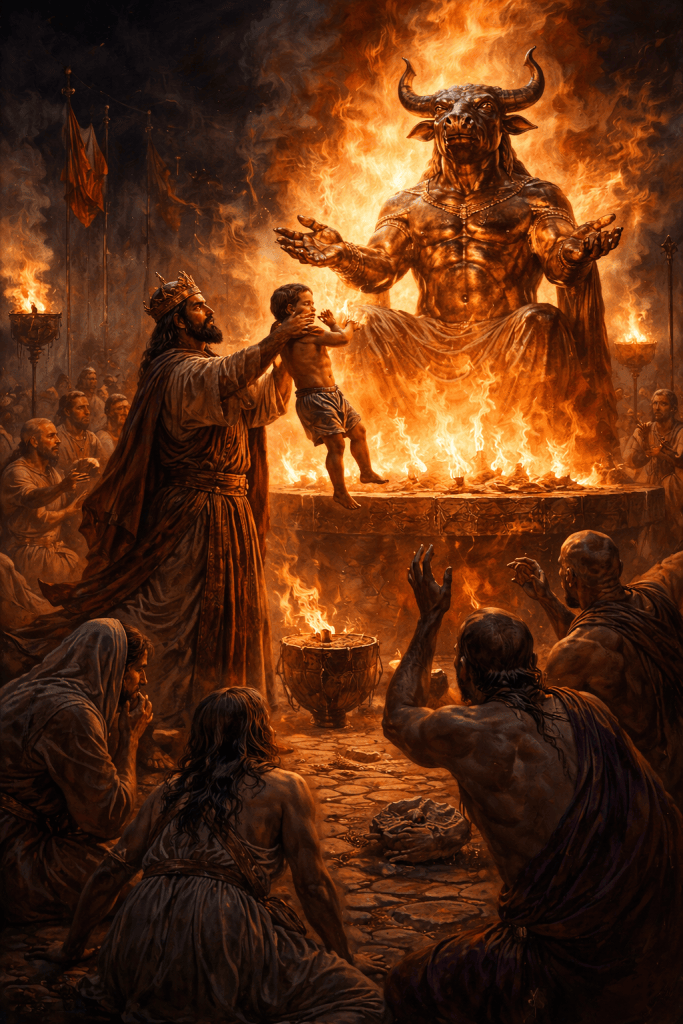
His rebellion became personal and violent. He practiced sorcery and witchcraft (v. 6). He shed innocent blood “very much” until he had filled Jerusalem from one end to another (2 Kings 21:16). Most horrifying of all, he caused his own sons to pass through the fire (2 Chronicles 33:6). This was not weakness; it was willful defiance.
The spiritual atmosphere of Judah reflected its king. The people were led astray “to do more evil than the nations whom the Lord had destroyed” (v. 9). God spoke to Manasseh and to His people, but “they would not listen” (v. 10). Persistent warning met persistent refusal.
Eventually, the discipline came. The commanders of the army of Assyria captured Manasseh, bound him with bronze chains, and carried him to Babylon (v. 11). The king who once ruled in arrogance was now shackled in humiliation. No throne. No army. No applause. Only iron and exile.
Chains have a way of stripping illusions. The pride that once fueled rebellion collapses under the weight of consequence. Manasseh’s story is not only political failure; it is spiritual ruin. He had squandered privilege, dishonored God, and corrupted a nation. From a human perspective, there was no path back.
🔥 Turning Point:
The turning point begins quietly: “When he was in distress, he entreated the favor of the Lord his God and humbled himself greatly before the God of his fathers” (2 Chronicles 33:12).
Distress became the doorway to mercy.
In Babylon, chained and defeated, Manasseh prayed. Scripture does not record eloquent words; it records a broken posture. He humbled himself greatly. The king who once exalted idols above the Lord now bowed beneath the Lord’s hand.
Then comes one of the most astonishing sentences in the Old Testament: “He prayed to Him, and God was moved by his entreaty and heard his plea and brought him again to Jerusalem into his kingdom” (v. 13).
God was moved.
The same God who sent discipline now extended restoration. The same hand that allowed chains now unlocked them. Manasseh did not engineer his comeback; God intervened. God heard. God responded. God restored.
“And then Manasseh knew that the Lord was God” (v. 13). Suffering accomplished what prosperity never did—it brought him to true knowledge of the Lord.
🌿 Transformation:
Restoration was not superficial. Once back in Jerusalem, Manasseh acted decisively. He removed the foreign gods and the idol from the house of the Lord (v. 15). He tore down the altars he had built. He restored the altar of the Lord and offered peace offerings and thank offerings (v. 16). Then he commanded Judah to serve the Lord, the God of Israel.
The man who once institutionalized idolatry now led public reform.
His circumstances changed—he was returned to his kingdom. But more importantly, his heart changed. The chronicler emphasizes his humility and prayer (v. 18–19). His repentance was recorded. His legacy, once stained by evil, became a testimony of mercy.
The damage of his earlier reign had consequences; not everything was instantly undone. Yet his end was marked by restored worship and renewed allegiance. From chains to crown. From exile to leadership. From rebellion to repentance.
No one is beyond mercy.
🕊️ Spiritual Reflection:
Manasseh’s life confronts us with a profound truth: God’s sovereignty extends even over our worst failures. The Lord was not absent during Manasseh’s rebellion; He was patient. He warned. He disciplined. And when humility finally surfaced, He restored.

Defeat often precedes transformation because pride must be dismantled before grace can rebuild. Chains became the instrument of clarity. Exile became the classroom of repentance. What appeared to be the end was, in God’s design, the beginning of redemption.

God does not minimize sin; He confronts it. Yet He also does not abandon the sinner who turns. The narrative arc of Scripture consistently moves from judgment to mercy for the repentant. The canonical trajectory reveals a God who disciplines in order to restore, who wounds in order to heal (cf. Hosea 6:1).

The Christological trajectory points even further: the ultimate exile and humiliation were borne by Christ on our behalf. At the cross, chains of sin were broken not because we deserved restoration, but because He secured it. If Manasseh found mercy under the old covenant, how much more certain is grace under the finished work of Christ.

Our lowest moments are not obstacles to God’s sovereignty; they are often the stage upon which His redeeming power is displayed most clearly.
💬 Closing Encouragement:
We know what it feels like to sit in the consequences of our own decisions, to replay mistakes, to carry shame that seems heavier than bronze chains. We know the quiet despair that whispers that restoration is impossible and that we have gone too far. Yet Manasseh’s story invites us to humble ourselves rather than hide, to pray rather than pretend, to trust that God’s mercy is stronger than our rebellion. Even when circumstances feel like exile, we are not abandoned. As we turn toward Him in honesty and surrender, we place ourselves beneath a faithful God who still restores. Therefore, we must not give up.
🙏 Prayer:
Lord, in our distress we turn to You. Humble our proud hearts and break our stubbornness. Meet us in the chains of our own making.Restore what we cannot repair ourselves. Give us faith to believe in Your turnaround.


Leave a comment