
📖 Scripture Reading :Genesis 37–50
✨
— Hudson Taylor
“God’s work done in God’s way will never lack God’s supply.”
⏳ Background:
Joseph was not a rebel or a criminal. He was a seventeen-year-old son, deeply loved by his father Jacob. Yet favoritism fractured the family. His brothers “hated him and could not speak peaceably to him” (Genesis 37:4). Envy hardened into violence. They stripped him of his robe, threw him into a pit, and sold him for twenty pieces of silver (Genesis 37:24–28).
The betrayal was not from strangers—but from blood.
Imagine the silence of that caravan ride to Egypt. No explanation. No rescue. No appeal. The dreams God once gave him (Genesis 37:5–9) must have felt like cruel irony.
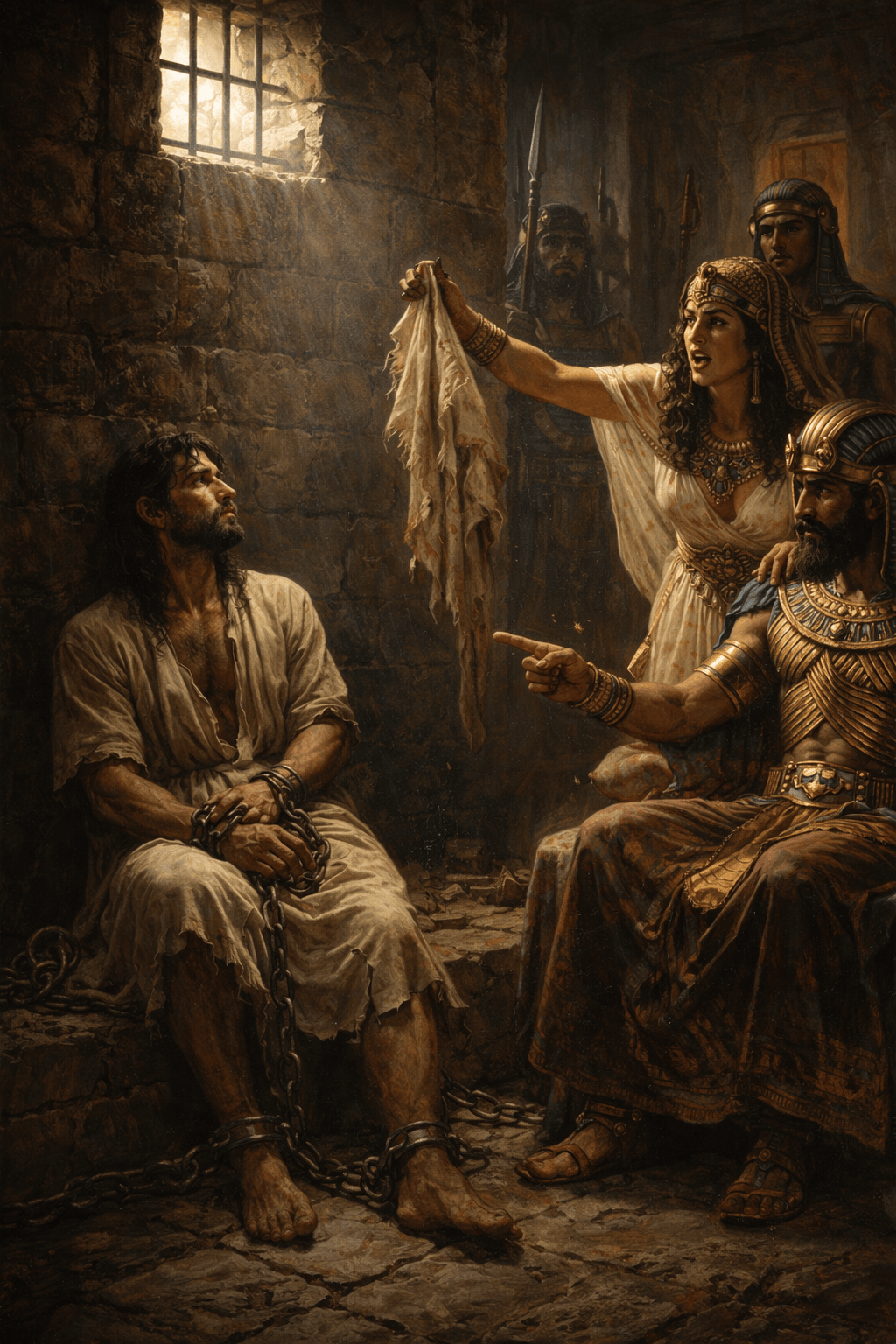
In Egypt, Joseph served faithfully in Potiphar’s house. “The Lord was with Joseph, and he was a successful man” (Genesis 39:2). Integrity marked him. Discipline guarded him. Yet obedience did not shield him from slander. Falsely accused by Potiphar’s wife, he was thrown into prison (Genesis 39:20).
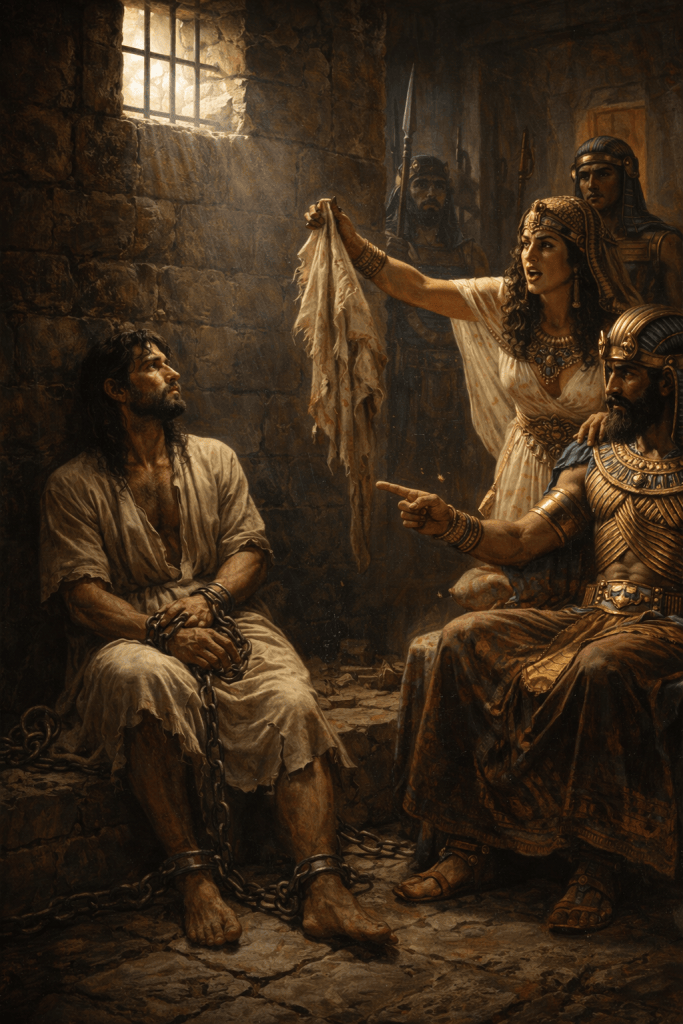
From favored son to slave.
From trusted servant to prisoner.
From dreams to chains.
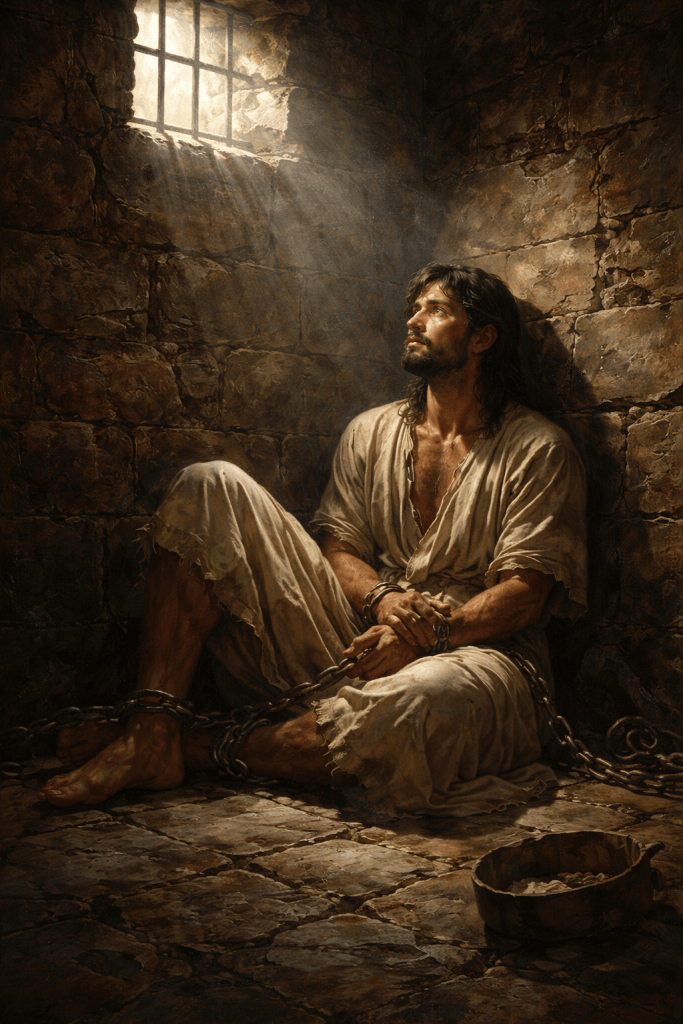
Psalm 105:18 says, “His feet hurt with fetters; his neck was put in a collar of iron.” This was not a brief inconvenience. It was prolonged injustice. Years passed. Even when he interpreted the cupbearer’s dream accurately and asked to be remembered, he was forgotten (Genesis 40:23).
Forgotten by men.
Confined by circumstances.
Unable to fix his own situation.
Humanly speaking, Joseph’s life was over. Every step forward seemed reversed. Every act of faithfulness appeared unrewarded.
🔥 Turning Point:
The turning point did not begin with Joseph’s strategy—but with God’s timing.
“After two whole years, Pharaoh dreamed” (Genesis 41:1).
At the exact moment God appointed, the cupbearer remembered Joseph (Genesis 41:9). In a single day, Joseph was brought from the dungeon to stand before Pharaoh. He shaved, changed garments, and was presented to the most powerful ruler of the region (Genesis 41:14).
When Pharaoh asked for interpretation, Joseph refused self-glory: “It is not in me; God shall give Pharaoh an answer of peace” (Genesis 41:16).
That sentence reveals the true miracle. Prison had not made him bitter. Delay had not erased his theology. Betrayal had not corrupted his heart.
God revealed the meaning of the dreams—seven years of abundance followed by seven years of famine. But more than interpretation, God granted Joseph wisdom to propose a plan (Genesis 41:33–36). Pharaoh discerned, “Can we find such a one as this is, a man in whom the Spirit of God is?” (Genesis 41:38).
In a single divine reversal, Joseph was appointed second-in-command over Egypt (Genesis 41:41–43).
Chains to chariot.
Prison rags to royal signet ring.
Forgotten inmate to national ruler.
God did this.
🌿 Transformation:
The famine came exactly as foretold. Because of Joseph’s obedience, Egypt had grain stored. Not only Egypt—“all countries came into Egypt to Joseph to buy corn” (Genesis 41:57).
Among them were his brothers.
The very men who sold him now bowed before him (Genesis 42:6). The dreams once mocked were fulfilled. Yet Joseph did not use power for revenge. Years of hidden suffering had refined his character. He wept privately (Genesis 42:24). He tested their hearts. He ultimately revealed himself and declared one of Scripture’s most powerful theological truths:
“You thought evil against me; but God meant it unto good” (Genesis 50:20).
Notice the precision:
He does not deny their evil.
He does not minimize the injustice.
He proclaims God’s sovereignty over it.
The outcome was measurable and visible:
• Nations preserved from starvation
• Jacob’s family saved
• Seventy persons settled in Egypt (Genesis 46:27)
• Covenant promises protected
But the deeper victory was spiritual. Joseph trusted God’s providence over personal pain. His heart was healed before his circumstances were explained. He saw God’s hand where others saw disaster.
🕊️ Spiritual Reflection:
Joseph’s story teaches that God’s sovereignty does not prevent betrayal, but it governs it. Divine providence often works invisibly beneath human sin. What others intend for harm cannot outrun God’s redemptive purpose.

Defeat frequently precedes elevation. Hidden years prepare public impact. The prison was not a detour; it was a classroom. Without the pit, there is no palace. Without false accusation, there is no tested integrity. Without waiting, there is no mature faith.

God does not merely rescue from suffering—He weaves suffering into the architecture of victory.

The same God who orchestrated Pharaoh’s dreams rules over our unanswered prayers, delayed promotions, fractured relationships, and unjust seasons. Nothing is wasted in His hands. He can turn any situation completely upside down into victory.
💬 Closing Encouragement:
There are seasons when we feel abandoned, misunderstood, falsely judged, or forgotten. We may have obeyed faithfully and still found ourselves in emotional prisons. We may replay conversations, question decisions, and wonder whether our faith has been futile. Yet Joseph’s life reminds us that God is working even when we cannot trace Him. We are not defined by pits, prisons, or delays. We are shaped by them. Let us choose integrity over bitterness, prayer over despair, and patience over surrendering to hopelessness. The story is not finished. God is still writing. Let us not give up.
🙏 Prayer:
Lord, when we feel betrayed and forgotten, anchor us in Your sovereignty.Guard our hearts from bitterness in seasons of delay. Strengthen us to remain faithful in hidden places.Teach us to trust that You are working for good.Turn our deepest losses into testimonies of victory. Amen.


Leave a comment