
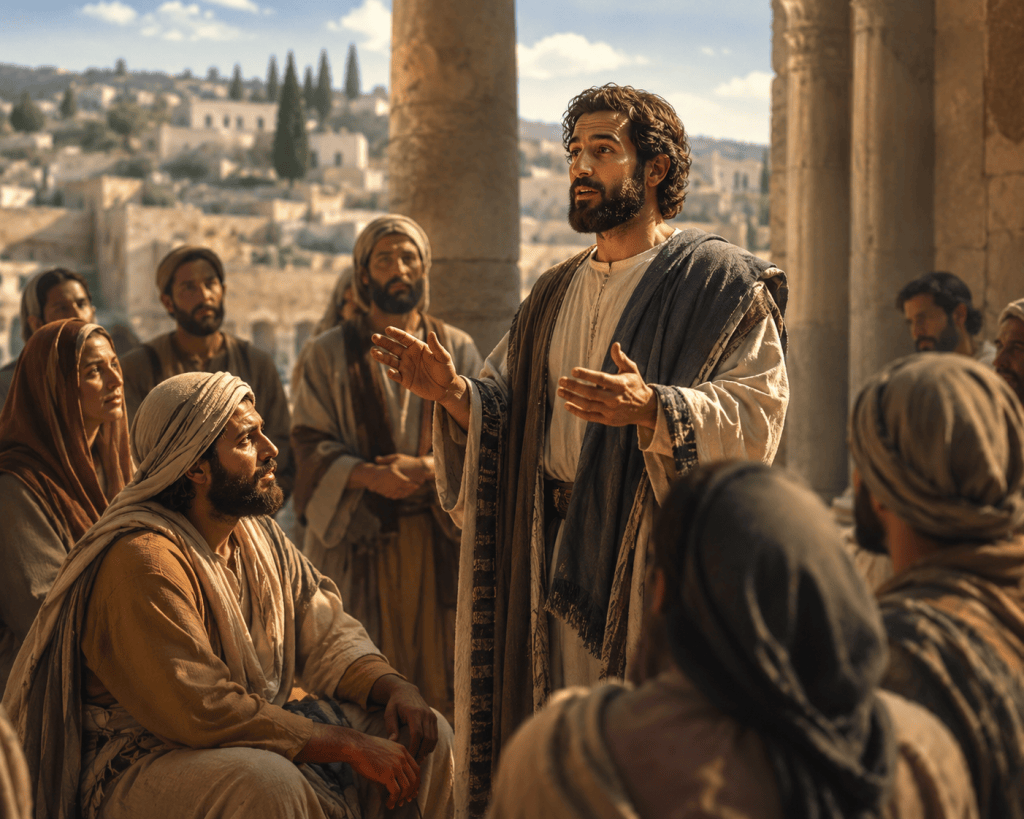
“The true test of communication is not whether people heard you, but whether truth transformed them.”
— John R.W. Stott
📖 Main Scripture Passage
“And a certain Jew named Apollos, born at Alexandria, an eloquent man, and mighty in the scriptures, came to Ephesus.”
Acts 18:24 (KJV)
🏢 When Skill Alone Is Not Enough
In today’s workplace, communication is one of the most valuable professional skills. Engineers explain complex solutions. Teachers shape minds through words. Healthcare professionals communicate critical decisions. Business leaders inspire teams. Government officials influence communities.
Yet many professionals discover that speaking well does not always produce lasting impact. A presentation may impress people but fail to change anything. A leader may have confidence but lack credibility. A teacher may possess knowledge but fail to inspire growth.
The greatest communicators are not merely persuasive; they are trustworthy. Their words carry weight because truth, wisdom, and character stand behind them.
In a world flooded with information, people are searching for voices they can trust. This challenge is not new. The early church also needed leaders who could communicate truth faithfully amid competing ideas and beliefs.
That is where we meet Apollos—one of the most gifted communicators in the New Testament. His story teaches that communication becomes powerful when rooted in truth and refined by humility.
👨💼 Apollos: An Eloquent Voice for God’s Truth
Communication Empowered by Scripture
Apollos appears briefly in the New Testament, but his impact was extraordinary. Born in Alexandria, Egypt, one of the greatest centers of learning in the ancient world, he likely received excellent training in rhetoric, public speaking, and scholarship.
Luke describes him as “an eloquent man” and “mighty in the scriptures” (Acts 18:24). These qualities made him exceptional. He possessed both communication ability and deep biblical knowledge.
However, Apollos did not rely merely on natural talent. When Priscilla and Aquila recognized gaps in his understanding of the gospel, he humbly received instruction and grew in truth (Acts 18:26).
His greatness was not simply that he could teach; it was that he remained teachable.
God transformed Apollos into a powerful teacher who strengthened believers throughout the early church. His influence became so significant that some believers identified themselves with him (1 Corinthians 1:12), though he never sought personal glory.
His life reminds us that communication reaches its highest purpose when truth, humility, and spiritual maturity work together.
📜 From Alexandria to Influence
A Voice God Refined
The story of Apollos unfolds during a remarkable season in church history. The Roman Empire provided roads, trade routes, and relative stability that allowed ideas to spread rapidly throughout the Mediterranean world.
Alexandria, Apollos’s birthplace, was one of the intellectual capitals of the empire. Its famous library and scholarly culture attracted thinkers from across the known world. Public speaking and persuasive communication were highly valued skills.
When Luke describes Apollos as “eloquent,” he highlights his ability to communicate effectively. Yet Luke immediately adds something more important: Apollos was “mighty in the scriptures.” The Greek expression suggests strength, competence, and thorough knowledge.
Literarily, Acts introduces Apollos shortly after Paul’s ministry in Corinth and Ephesus. God was building His church through different servants with different gifts. Paul planted churches. Peter reached Jewish audiences. Apollos strengthened believers through teaching.
Yet the narrative contains an important lesson.
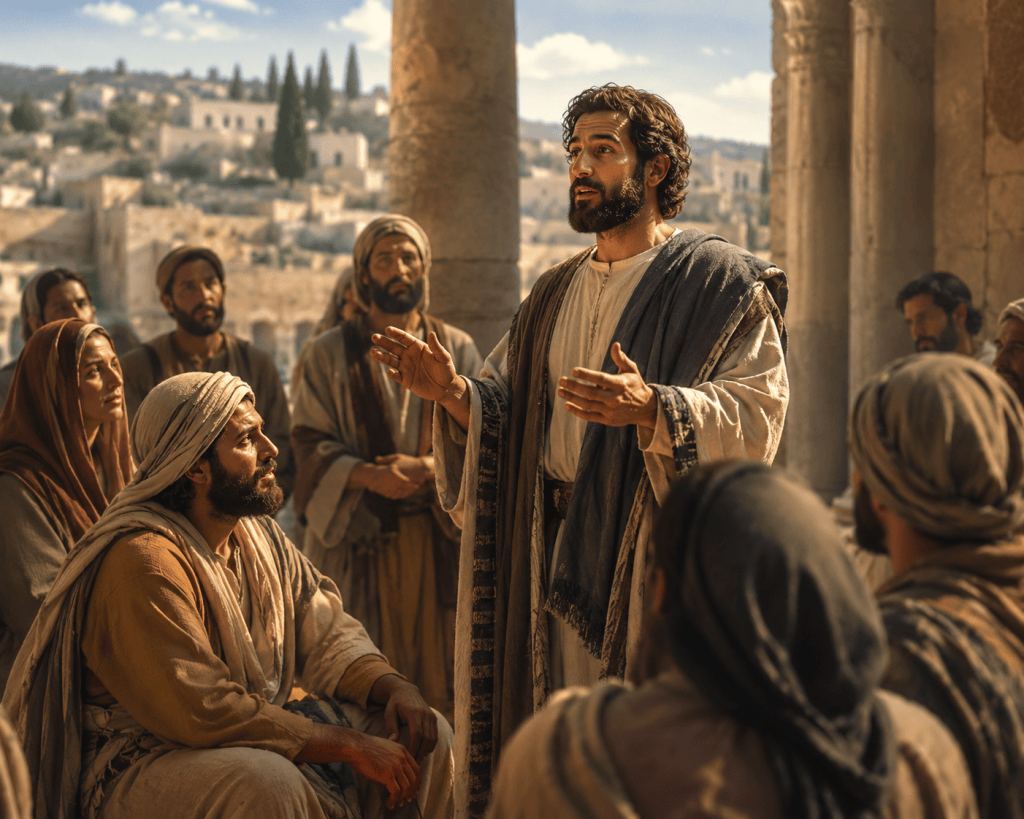
Although Apollos knew the Scriptures well, his understanding of Christ’s completed work was incomplete. When Priscilla and Aquila heard him teach, they did not publicly criticize him. Instead, Acts 18:26 says they “took him unto them, and expounded unto him the way of God more perfectly.”
In a culture where public reputation mattered greatly, this required humility from everyone involved.
Apollos listened.
He learned.
He grew.
This reveals an important theological truth: spiritual maturity is not demonstrated by knowing everything but by remaining teachable before God.
After receiving fuller instruction, Apollos traveled to Achaia and became a tremendous blessing to believers. Acts 18:27 says he “helped them much.” His communication was no longer merely impressive—it became deeply fruitful.
Luke further records that he “mightily convinced the Jews” through Scripture, proving that Jesus was the promised Messiah (Acts 18:28). His influence rested not on charisma but on God’s truth.
Throughout Scripture, God repeatedly uses communicators to accomplish His purposes. Moses spoke before Pharaoh. Isaiah proclaimed God’s word to Judah. Ezra taught the Law. Jesus preached the Kingdom. The apostles proclaimed the gospel.
Apollos stands in this tradition of truth-centered communication.
His story ultimately points to Christ, the Living Word (John 1:1). Every Christian communicator serves best when directing attention away from self and toward Jesus.
Theologically, Apollos teaches that natural ability and spiritual gifting are not competitors. God develops both. Human skill becomes most effective when refined by truth, empowered by the Holy Spirit, and guided by humility.
🌍 Henry Parsons Crowell: Communicating Trust in Business
The Businessman Who Turned Truth Into Influence
In the late nineteenth century, many American consumers purchased food products from large barrels with little information about quality or contents. Trust in manufacturers was often low.
Into this environment stepped Henry Parsons Crowell (1855–1944), a young entrepreneur who would eventually lead the Quaker Oats Company.
Crowell’s life was transformed by his Christian faith. He came to believe that business was not merely about profit but about serving people faithfully and honoring God through integrity.
When Crowell entered the oatmeal business, he recognized that trust was one of the marketplace’s most valuable assets. Rather than relying on exaggerated claims, he focused on honest communication.
He pioneered branded packaging that clearly identified products and guaranteed consistent quality. Customers knew what they were buying and what they could expect.
His advertising philosophy was unusual for the time. He believed communication should educate rather than manipulate. Advertisements explained nutritional benefits, quality standards, and product value in straightforward language.
Consumers responded positively. Confidence grew. The Quaker Oats brand became one of the most trusted names in American households.
Yet Crowell’s influence extended beyond business.
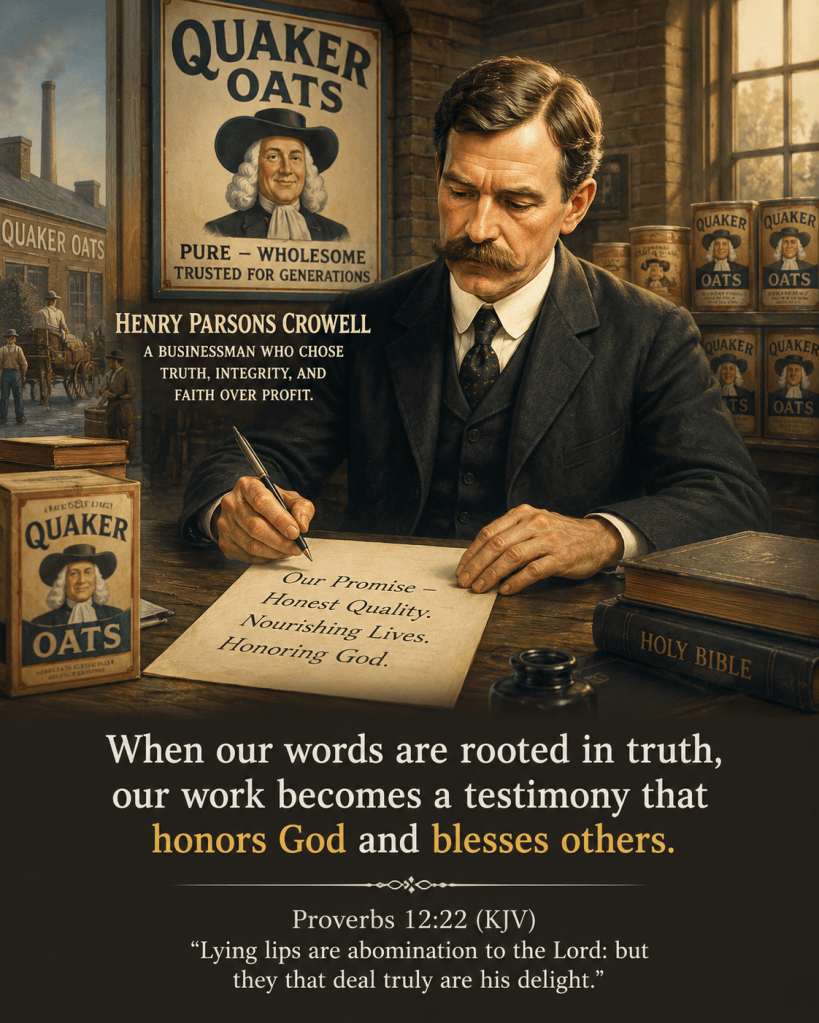
A committed Christian, he generously supported evangelism, missions, and Christian education. He served with ministries such as Moody Bible Institute and invested in efforts that communicated the gospel worldwide.
Like Apollos, Crowell understood that communication gains lasting influence when it is anchored in truth. Apollos strengthened believers through Scripture. Crowell strengthened public trust through integrity.
Both demonstrated that words backed by character carry enduring power.
Practical Takeaway
The most powerful communication is not merely persuasive—it is trustworthy. Professionals who consistently communicate truth build influence that lasts long after presentations, promotions, or profits have passed.
🏭 Workplace Lessons for Today
Apollos teaches that communication is more than a professional skill; it is a stewardship from God.
Whether you are an engineer presenting technical findings, a teacher shaping students, a healthcare worker explaining treatment options, a business leader guiding teams, or a government servant influencing public decisions, your words carry responsibility.
Strong communication requires preparation. Trustworthy communication requires character.
Like Apollos, we should continually develop our knowledge and remain teachable. Like Crowell, we should communicate honestly, even when exaggeration may seem advantageous.
Professionals who combine competence with integrity earn influence that extends beyond their job titles.
Communication becomes transformational when truth guides every conversation, presentation, report, and decision.
🔥 Spiritual Insight
Apollos reminds us that God often uses our greatest skills as instruments for His glory.
Communication is a gift, but gifts are entrusted to us for service. The Holy Spirit does not empower believers merely to sound impressive. He empowers them to strengthen others, proclaim truth, and point people toward Christ.
In today’s culture, many voices compete for attention. Yet the voices that endure are those marked by truth and character.
Jesus Christ is the ultimate communicator. As the Living Word, He perfectly revealed the Father. His words brought life, hope, conviction, and salvation.
As Christian professionals, our goal is not simply to become more persuasive. It is to become faithful representatives of Christ whose words reflect wisdom, grace, humility, and truth.
When communication flows from a heart transformed by the gospel, it becomes a channel through which God encourages, teaches, and blesses others.
🤔 Reflection Questions
1. How am I using my communication abilities to strengthen and serve others?
2. Where do I need greater humility and teachability like Apollos?
3. Do my words consistently reflect truth, integrity, and Christlike character in my workplace?
🙏 Prayer
Heavenly Father, thank You for every gift and opportunity You have entrusted to me. Help me communicate with wisdom, humility, and truth. Guard my words from pride and compromise. Use my skills to strengthen others, honor Christ, and reflect Your character in my workplace. May my communication bring glory to You and blessing to those around me. Amen.


Leave a comment