
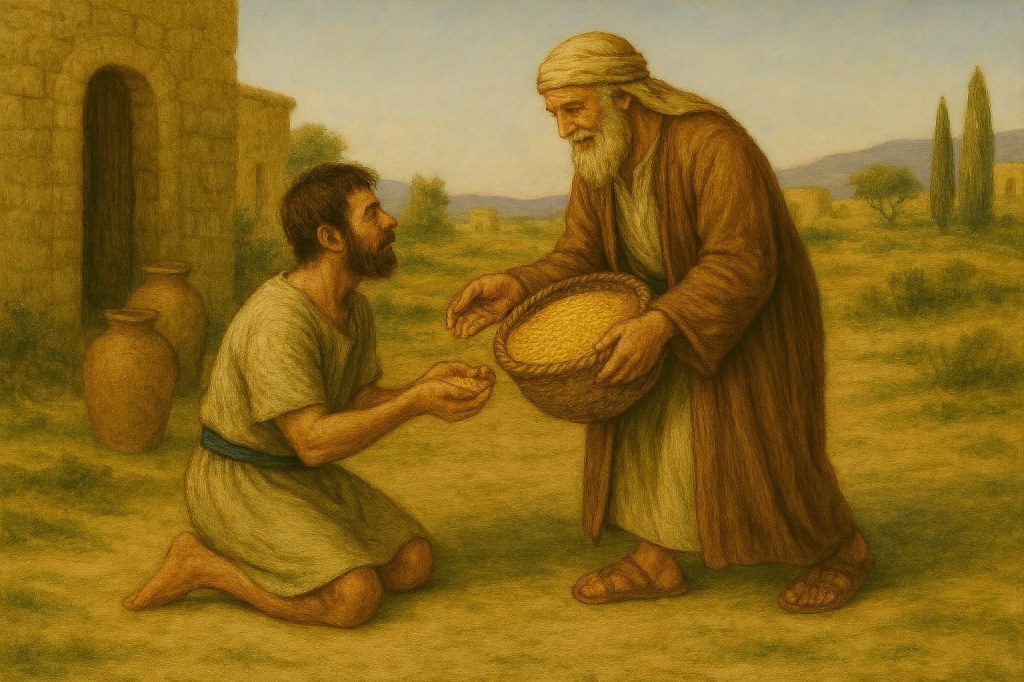
📖 ✝️ Scripture Reading:Exodus 22:28–31
“Thou shalt not revile the gods, nor curse the ruler of thy people…………………
And ye shall be holy men unto me: neither shall ye eat any flesh that is torn of beasts in the field; ye shall cast it to the dogs.”
Exodus 22:28, 31 KJV
“The remarkable thing is, when God uses someone, He does not burn them out—He sets them alight.”
— Elisabeth Elliot
💒 🕊️ ✨ Context ( Story ) :
Israel stands at a defining moment in her story. The Red Sea has closed behind her enemies, Mount Sinai still echoes with God’s voice, and a redeemed people now learns how freedom is to be lived.
Exodus 22:28–31 concludes the Book of the Covenant as a summary of covenant identity. God speaks not merely about rules but about belonging—how His redeemed people are to live differently in speech, worship, daily habits, and moral choices.
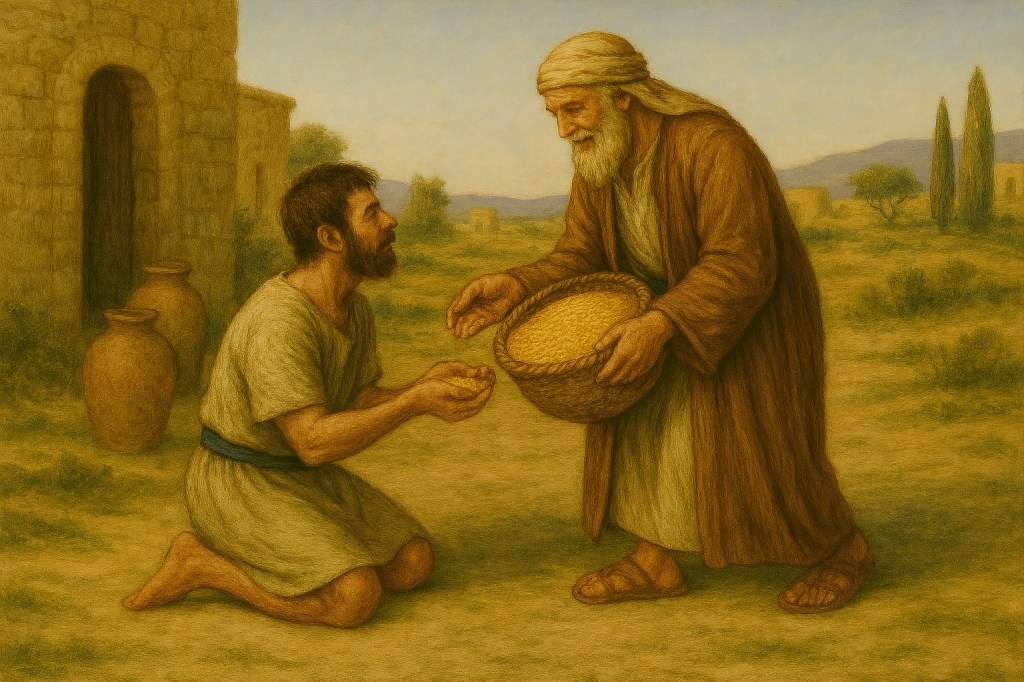
The commands move deliberately:
• From reverent speech toward authority,
• To prompt, wholehearted giving,
• To daily separation that marks God’s people as distinct.
Holiness here is not isolation. It is visible loyalty.
God is saying, “You are Mine—let your life reflect that truth.”
🤔 🪞 💡 Reflection Thought :
This passage teaches us that holiness is comprehensive. God weaves together reverence, generosity, patience, and daily discernment into one unified calling. Holiness is not confined to sacred moments; it shapes ordinary decisions.

The instruction not to eat torn flesh may appear minor, yet it represents a refusal to live casually with corruption, death, and disorder. God is forming a people who do not compromise simply because something is convenient or culturally acceptable.

Holiness, therefore, is not moral superiority—it is faithful belonging. It is choosing God’s order over chaos, obedience over delay, and devotion over comfort.
🎬🔛 Historical True Story :
“Corrie ten Boom and the Holiness of Costly Obedience”
Before (Haarlem, Netherlands – early 1940s):
Corrie ten Boom lived a quiet life as a watchmaker, caring for her aging father and family. Their home was known for hospitality, prayer, and Bible reading. When Nazi occupation began, many Christians remained silent out of fear.
The Decision:
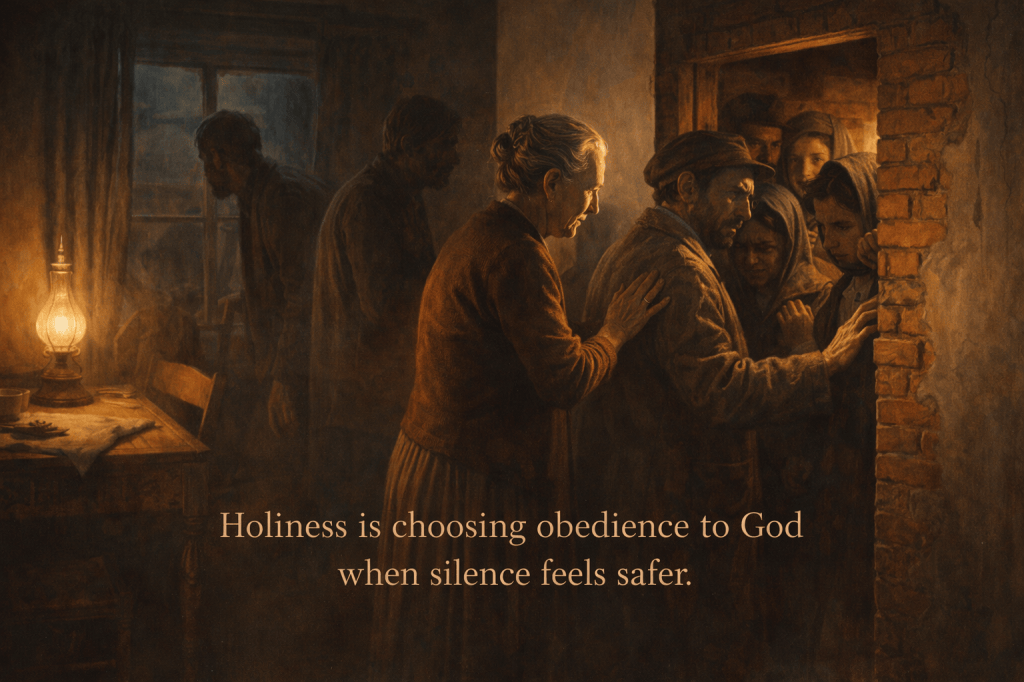
Corrie and her family believed holiness meant obedience—even when dangerous. They chose to hide Jewish families in their home, constructing a secret room behind a false wall. For them, being “holy unto God” meant refusing to participate in injustice, even at great personal cost.
After (1944–1945):
The family was eventually betrayed. Corrie, her sister Betsie, and her father were arrested. Her father died shortly after imprisonment. Corrie and Betsie were sent to Ravensbrück concentration camp, where Betsie died. Yet even there, Corrie later testified that God’s presence met them in suffering.
After the war, Corrie traveled the world preaching forgiveness, famously forgiving a former camp guard who asked her for mercy.
Her life demonstrated that holiness is not withdrawal—it is faithful obedience when obedience is costly.
Source:
https://www.britannica.com/biography/Corrie-ten-Boom
⚒️🎯 Personal Application :
As we reflect on this passage, we recognize that holiness touches every part of our lives. We are invited to guard our words, honor authority with humility, give God our first and best, and make daily choices that reflect our allegiance to Him. We learn that holiness is not about perfection but about direction—living consistently as people who belong to God. When we resist compromise and choose faithfulness in small, unseen moments, our lives quietly proclaim that we are set apart for Him.
🙏 🕯️Prayer:
Lord, You have redeemed us and called us Your own. Teach us to live holy lives—not out of fear, but love. Help us resist compromise, offer You our best, and remain faithful even when obedience is costly. We belong to You. Amen.


Leave a comment