
📖 Scripture Anchor:2 Kings 25; Ezra 1–6; Nehemiah 1–6
— J. I. Packer
✨
“Hope is not optimism; it is confidence in God’s faithfulness.”
⏳ Background:
Jerusalem did not fall overnight. It collapsed after years of warning, ignored repentance, and stubborn pride. In 586 BC, Babylon breached the city walls. The Temple was burned, the symbol of God’s presence reduced to ash. The king’s sons were executed before his eyes, then his eyes were gouged out. Leaders were killed. Survivors were dragged into exile, far from home.
What remained was shame, grief, and silence. God’s people were landless, leaderless, and worshipless. They carried not only chains, but guilt—knowing their own rebellion had contributed to this devastation. Every visible sign of God’s favor seemed gone. Human strength was exhausted. There was no plan forward, only survival.
🔥 Turning Point:
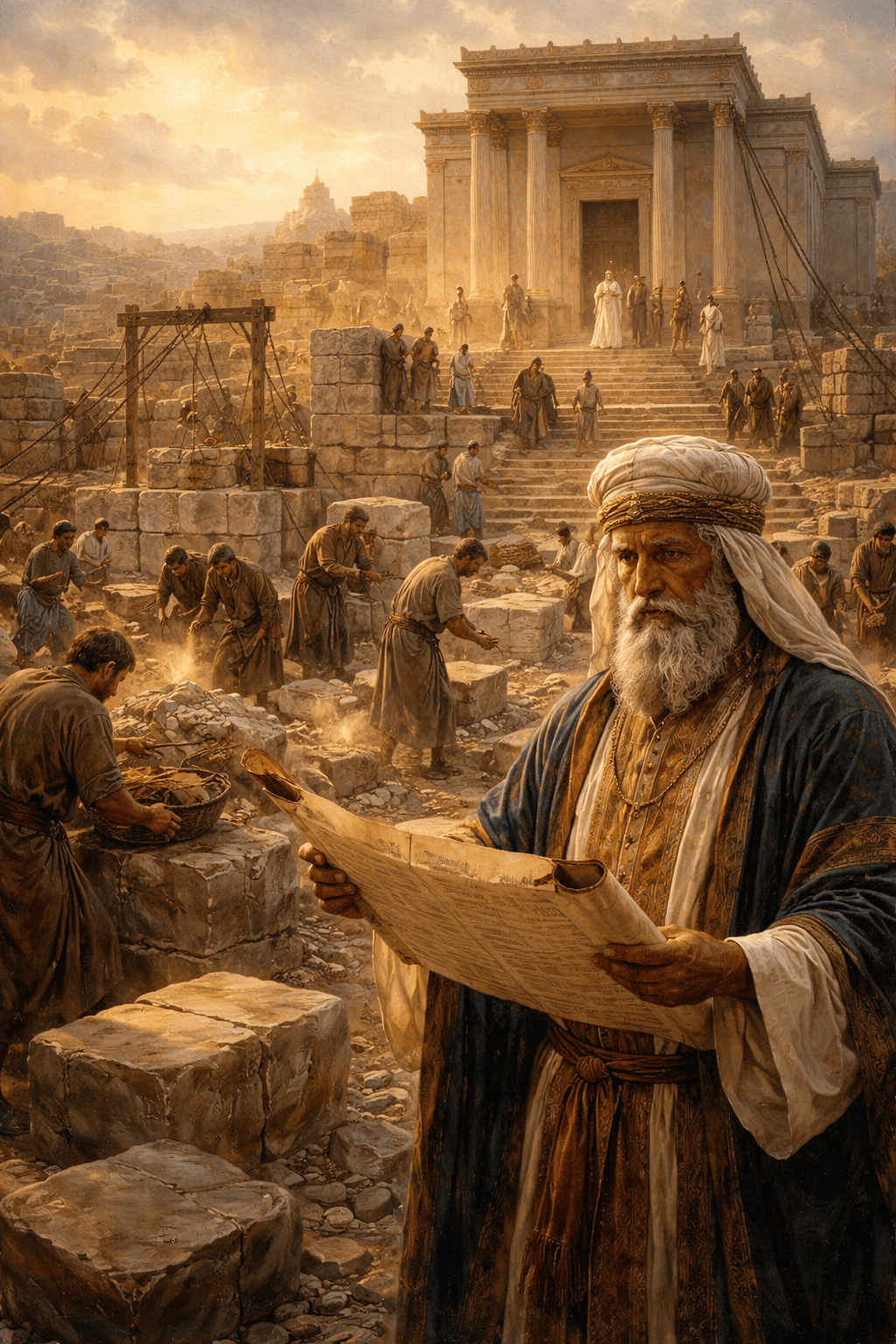
Decades later, when hope felt unrealistic, God moved the heart of a pagan king. Without Israel’s power or strategy, the Lord stirred Cyrus of Persia to issue a decree: God’s people could return. The same God who allowed collapse now initiated restoration.
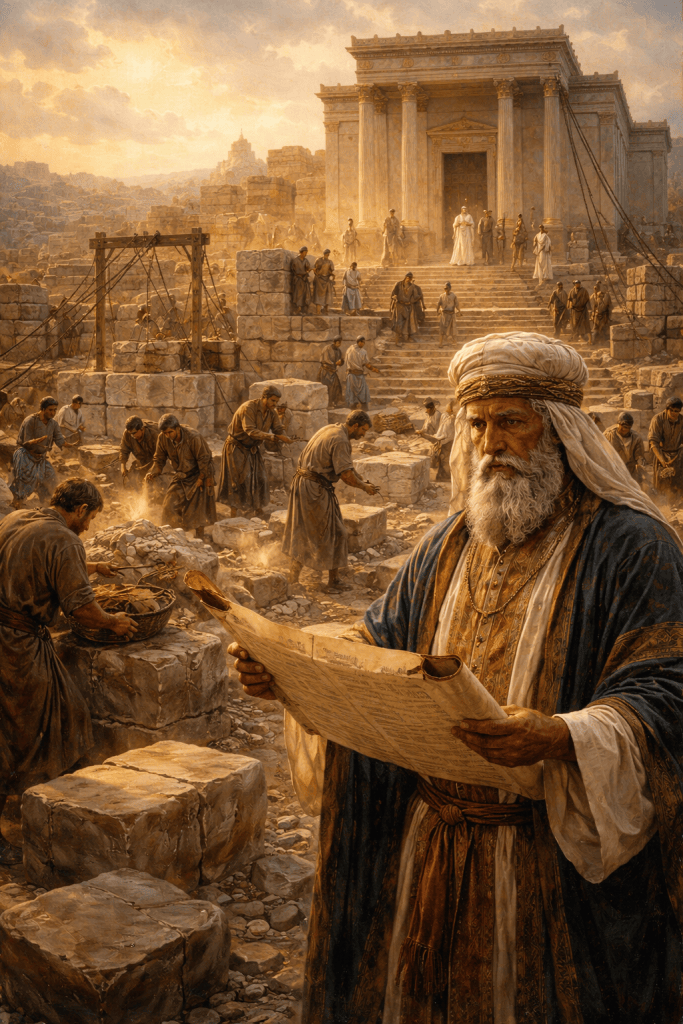
Through prophetic words, prayerful leaders like Ezra and Nehemiah, and ordinary people willing to obey amid fear, God rebuilt what seemed irreparably lost. Opposition arose. Resources were scarce. Progress was slow. Yet God sustained the work—not because the people were strong, but because His purpose had not failed.
🌿 Transformation:
The Temple was rebuilt. The walls rose again. More importantly, hearts were reshaped. Worship returned. Scripture was read aloud. Repentance replaced rebellion. The nation was not merely restored geographically, but reoriented spiritually. God did not erase the scars—but He turned them into testimony. Faith matured through loss, and obedience replaced despair.
🕊️ Spiritual Reflection:
This story reveals a hard but hopeful truth: God is sovereign even over failure. Jerusalem’s fall was real, painful, and deserved—yet it was not final. Defeat became the soil where repentance grew. Loss created space for renewal. God’s redemptive power is not limited by how badly things have fallen or how deeply mistakes are etched. Often, what feels like the end is actually God clearing the ground for something truer, humbler, and stronger. Victory in Scripture is rarely instant—but it is always intentional.
💬 Closing Encouragement:
When we stand among the ruins of our own lives—facing loss, shame, broken dreams, or repeated failure—we are tempted to believe the story is over. We feel the weight of what cannot be undone and the fear that restoration is impossible. Yet this passage invites us to trust that God works beyond visible evidence, beyond our strength, and beyond our past. Even when consequences remain, God can renew hearts, redirect futures, and bring beauty from devastation. We are called to keep trusting, keep obeying, and never give up, because God specializes in turning collapse into redemption.
🙏 Prayer:
Lord, we confess our weakness and weariness. When hope feels distant, remind us that You still reign. Strengthen our faith in seasons of loss and silence.Help us trust Your timing and Your restoring power.We place our ruins in Your hands. Amen.


Leave a comment