
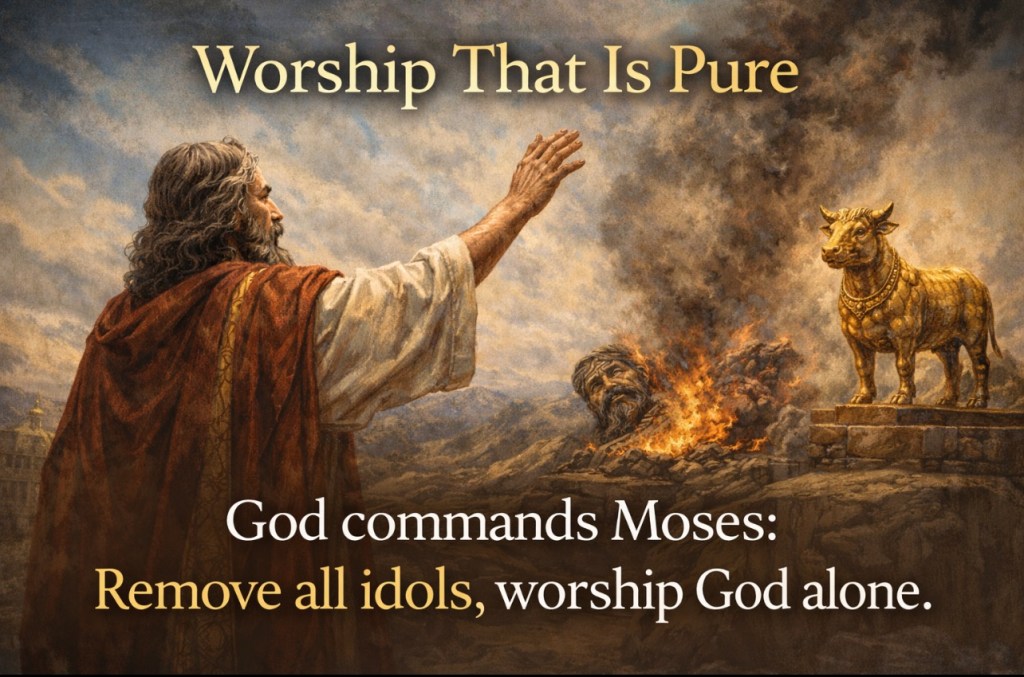
📖 Scripture Anchor :
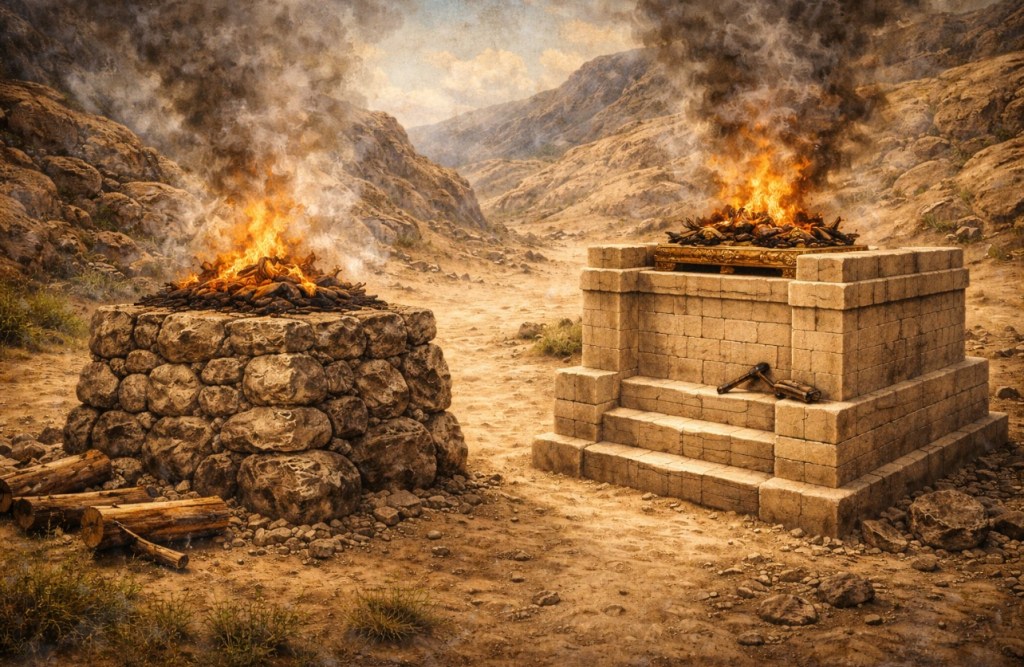
“And if you make Me an altar of stone, you shall not build it of hewn stone; for if you use your tool on it, you have profaned it.”
Exodus 20:25 NKJV
✨ Short Introduction :
Church history is not merely about events—it is a testimony of how God calls His people back to Himself.
The story of Neuchâtel in 1530 reminds us that true reformation begins not with buildings or rituals, but with hearts surrendered to God’s Word.
This account challenges us to examine what shapes our worship today.
⏳ Background :
In the early years of the Protestant Reformation, the city of Neuchâtel was deeply shaped by long-standing church traditions. Worship was centered around elaborate altars, religious images, statues, and established liturgical forms.
Many sincere believers felt conflicted—torn between reverence for tradition and a growing hunger for Scripture-centered faith.
Though outwardly religious, worship had slowly shifted focus away from Christ alone. Human artistry, ritual, and symbolism began to overshadow the simplicity of God’s Word, leaving hearts unsettled and consciences burdened.
🔥 Turning Point :
God intervened through the faithful preaching of William Farel. As the Gospel was proclaimed clearly and boldly, the people encountered the authority of Scripture in a fresh way.
On October 23, 1530, after Farel’s sermon, the citizens were convicted that true worship must be shaped by God’s Word—not human tradition.
In an act of obedience and unity, they openly renounced worship practices that they believed had become obstacles to genuine devotion. Altars were dismantled, images and statues were removed, and objects once revered were cast down from the cathedral terrace.
Their declaration was clear: God alone determines how He is to be worshiped.
🌿 Transformation :
After this decisive moment, worship in Neuchâtel changed profoundly. The focus shifted from visual symbols and rituals to Scripture, simplicity, and heartfelt devotion.
Faith matured—not through outward forms, but through obedience, humility, and trust in God’s Word.
Even without elaborate structures, the people discovered deeper peace and spiritual clarity. Their hearts learned to rest in Christ alone, not in objects or ceremonies.
✔ Source: Historical account of the Neuchâtel Reformation and removal of altars and images, 1530.
🕊️ Spiritual Reflection : This story teaches us that God values obedience over appearance, and truth over tradition.
It reminds us that worship shaped by human preference—even when sincere—can slowly replace reliance on God’s Word.

For believers today who struggle with distraction, formality, or spiritual confusion, Neuchâtel’s testimony encourages us to return to simple, Scripture-centered worship where Christ alone is exalted.
💬 Closing Encouragement :
If your faith feels crowded by expectations, traditions, or outward expressions, hear this gentle call: God desires your heart more than your craftsmanship.
Let His Word shape your worship, and trust Him to lead you into true spiritual freedom.
🙏 Prayer: Lord God, remove from our lives everything that competes with Your Word. Teach us to worship You in simplicity, humility, and obedience. May Christ alone be the center of our devotion. Amen.


Leave a comment