
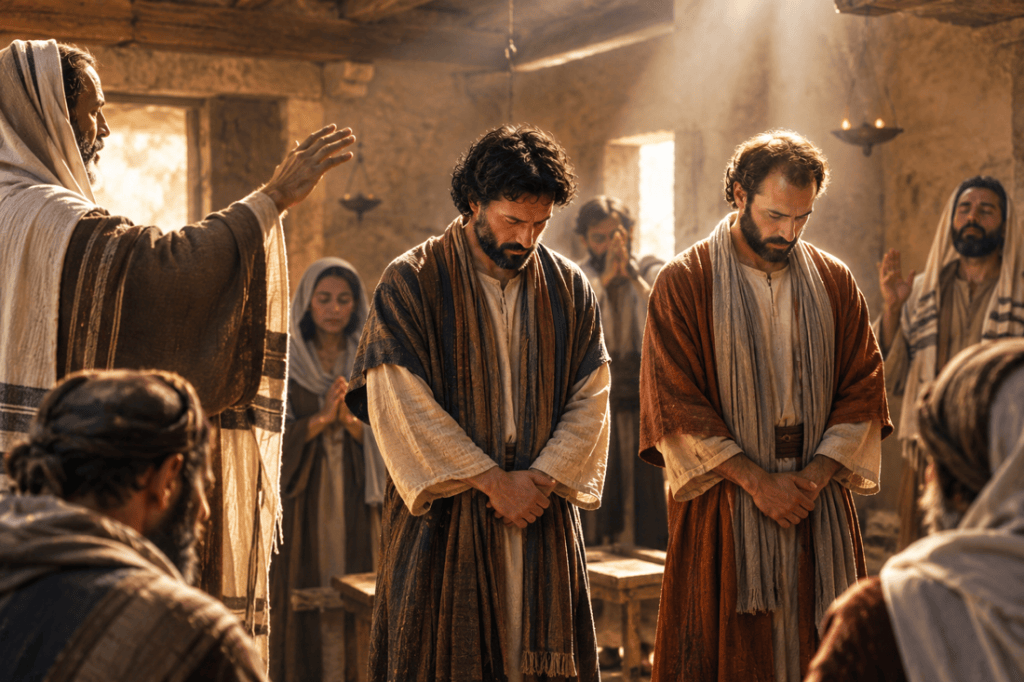
Key Scripture: Acts 13:2
Supporting References: Acts 20:28; John 15:26; Romans 8:14
🧭 When God Gives Us an Assignment
Most of us have experienced the excitement and responsibility that comes with receiving an important assignment. It may be a role at work, a ministry opportunity, caring for a family member, or serving in the local church. When someone entrusts us with a meaningful task, we recognize that it carries both privilege and responsibility.
The Christian life is filled with such callings. Yet our service for God does not begin with our own ambitions, talents, or plans. Scripture teaches that the Holy Spirit actively calls believers into God’s work and equips them for the tasks He assigns. He is not merely an invisible influence encouraging ministry from a distance. He personally appoints workers, directs their service, and carries out God’s mission in the world. These actions reveal that the Holy Spirit is a divine Person who is actively involved in advancing God’s kingdom through His people.
📖 The Spirit Who Calls and Sends
Acts 13:2 records a remarkable moment in the life of the early church: “The Holy Ghost said, Separate Me Barnabas and Saul for the work whereunto I have called them.” This event took place in the church at Antioch while believers were worshiping and fasting before the Lord. The Holy Spirit spoke and gave a specific assignment for Barnabas and Saul.
Notice the personal language. The Spirit says, “Separate Me” and “I have called them.” These words demonstrate intention, authority, and purpose. The Holy Spirit is not described as a force but as a Person who gives direction to God’s people.
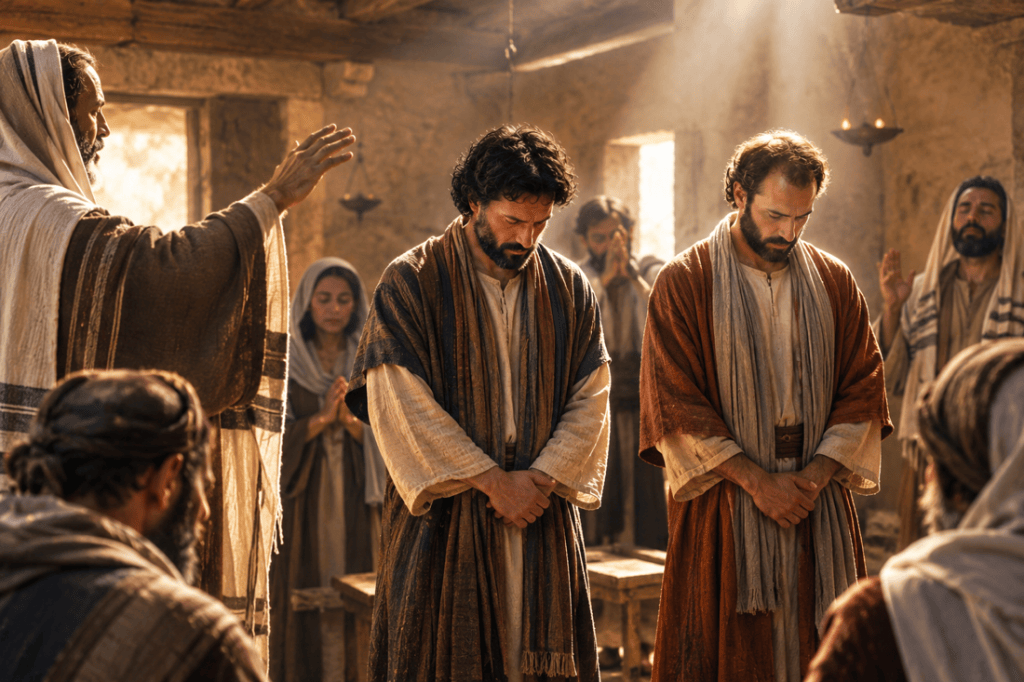
The key Greek word associated with calling in this context is proskeklēmai, meaning “to summon,” “to appoint,” or “to call for a specific purpose.” This highlights God’s sovereign initiative in ministry. The work belonged to God before it belonged to Barnabas and Saul.
Acts 20:28 further emphasizes the Spirit’s role in ministry. Paul reminds church leaders that “the Holy Ghost hath made you overseers.” Their leadership was not merely a human appointment. It was part of the Spirit’s work in caring for Christ’s church.
In John 15:26, Jesus speaks of the Spirit of truth, whom He would send from the Father. The Spirit proceeds from the Father and testifies concerning Christ. Here we see divine mission and divine purpose. The Father sends, the Son sends, and the Spirit faithfully accomplishes His mission.
The literary flow is significant. The Spirit calls, appoints, sends, and testifies. These are personal activities requiring wisdom, authority, and intentional action. To the original audience, these passages demonstrated that the Holy Spirit actively directs God’s redemptive work through His people.
🔥 Meeting the Spirit Behind the Calling
These passages reveal the Holy Spirit as the divine Caller, Sender, and Empowerer. He does not merely inspire ministry. He initiates it. He identifies workers, equips them for service, and directs them toward God’s purposes.
The core doctrine revealed here is the personhood of the Holy Spirit. Only a person can call individuals, assign responsibilities, and send others on a mission. The Holy Spirit possesses intelligence, will, and authority.
At the same time, His ministry is deeply Christ-centered. In John 15:26, the Spirit’s mission includes bearing witness to Jesus Christ. He never seeks His own glory. Instead, He points people to the Savior and advances Christ’s kingdom.
Throughout Scripture, God accomplishes His purposes through people whom the Spirit calls and empowers. From prophets and apostles to pastors and faithful believers today, the Spirit continues His work. The same Holy Spirit who called Barnabas and Saul continues to guide God’s people into meaningful and fruitful service for Christ.
🚶 Responding to God’s Calling Today
A timeless truth emerges from these passages: God still calls His people to serve according to His purposes.
Evidence of the Spirit’s work can be seen whenever believers use their gifts for God’s glory, desire to serve Christ, grow in obedience, and seek opportunities to bless others. The Spirit often works through ordinary acts of faithfulness as well as visible ministry roles.
In our personal walk, we should prayerfully ask where God wants us to serve. In church life, we should encourage and support those whom God is calling into specific ministries. In daily living, we should be willing to use our gifts, time, and resources for God’s purposes.
One misunderstanding to avoid is assuming that God’s calling applies only to pastors, missionaries, or church leaders. Every believer has opportunities to serve under the Spirit’s guidance.
Because the Holy Spirit calls and sends God’s people, we must respond with obedience, availability, and faith.
🤔 Reflection Questions
- What opportunities for service might the Holy Spirit be placing before me today?
- Am I willing to follow God’s calling even when it stretches my comfort zone?
- How can I encourage others to discover and fulfill God’s purposes for their lives?
🙏 Prayer
Heavenly Father, thank You for the gift of the Holy Spirit who calls, equips, and sends Your people. Help me to listen carefully to His guidance and faithfully follow Your purposes. Give me wisdom, humility, and courage to serve wherever You lead. May my life bring glory to Christ and advance Your kingdom. Deepen my dependence upon You each day, in Jesus’ name.
📌 Summary
The Holy Spirit personally calls, appoints, and sends believers into God’s work while faithfully advancing Christ’s mission in the world.
✨ One-Sentence Devotional Takeaway
Because the Holy Spirit calls and sends God’s people, we can serve God’s purposes with confidence.


Leave a Reply