

💼 When Success Depends on More Than Good Intentions
Many workplace failures begin long before a visible crisis. Instructions remain unclear, responsibilities overlap, records are incomplete, and essential checks depend on one person’s memory.
For a time, enthusiasm may conceal these weaknesses. But when deadlines tighten, workloads increase, or key people leave, the cracks appear. Jesus’ comparison of two builders teaches that lasting work requires both a trustworthy foundation and disciplined execution.
📖 The Wisdom of Hearing and Doing
Main Passage: Matthew 7:24-27
Key Verse: “Therefore whosoever heareth these sayings of mine, and doeth them, I will liken him unto a wise man, which built his house upon a rock.” — Matthew 7:24
Jesus concluded the Sermon on the Mount by comparing those who obeyed His words with a wise builder. The difference between the builders was revealed when storms came: hearing truth without putting it into practice produced no secure foundation.
✨ Building Under Christ’s Lordship
Jesus’ illustration does not teach that careful systems can prevent every difficulty. Both houses encountered rain, floods, and wind. The decisive difference was whether the builder had acted upon a sound foundation before the storm arrived.
For Christian professionals, systems thinking begins by looking beyond today’s task. We ask how decisions, people, information, risks, and processes connect. We consider what may happen when workload grows, circumstances change, or a failure occurs.
Prudence is a gift from God that helps us apply truth wisely. It does not merely identify what is right; it considers how right principles should become reliable practice. At work, prudence may produce documented procedures, defined responsibilities, quality checks, realistic schedules, training, traceability, and honest review.
Yet Jesus is not merely offering a lesson in project management. He is the Son of God, Messiah, Savior, and Lord. The rock in His illustration is obedient response to His teaching. Our professional systems cannot replace dependence upon Christ, nor can prayer excuse disorder, carelessness, or neglected responsibility.

Faithful work brings belief and action together. Truth guides the process. Discipline sustains it. Execution turns intention into service. Review exposes weaknesses that need correction.
A system may appear efficient while being dishonest, unsafe, or harmful. Therefore, Christian systems thinking must begin with Christ’s truth and serve people with integrity. Strong structures are valuable only when the foundation itself is worthy.
⚙️ The Discipline Behind Dependable Systems
Systems thinking helps professionals identify causes rather than repeatedly treating symptoms. It requires mapping the work, defining ownership, examining handovers, recording decisions, and learning from failures without concealing them.
Competence designs the process; character ensures that it serves truthfully. Jesus’ wise builder reminds us that knowledge becomes dependable only through obedient action. A procedure that nobody follows is merely a document, not a foundation.
🎯 Strengthen the Foundation This Week
- Identify one repeated failure and investigate its underlying cause.
- Document one essential process currently dependent on personal memory.
- Assign clear ownership, checkpoints, and completion evidence to one critical task.
💡 Wisdom for Work That Is Well Ordered
“To live well is to work well, to show a good activity.”
— Thomas Aquinas
This statement connects a well-lived life with good action, reminding professionals that worthy intentions should become disciplined and beneficial work.
🏠 When Prayer and Administration Worked Together
George Müller began his work for orphaned children in Bristol, England, with a rented house on Wilson Street in 1836. Additional rented homes followed before larger orphan houses were built at Ashley Down. His ministry depended on prayer and unsolicited gifts rather than public appeals for financial support.
Faith did not eliminate administration. The homes required supervision, education, supplies, staff, admissions, departures, and careful records. Surviving archives include admission and dismissal records for every child who lived in the homes, showing sustained attention to accountability and individual care.
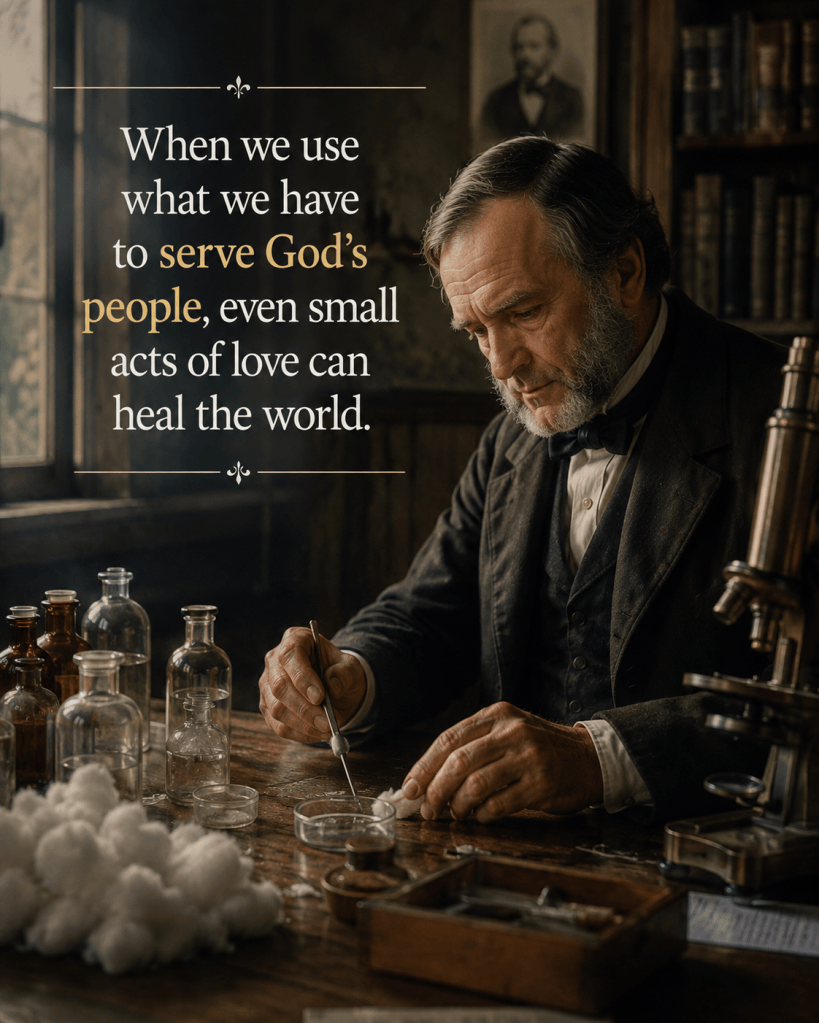
Müller’s example demonstrates that prayerful dependence and orderly systems are not enemies. Faith can give purpose and perseverance to disciplined administration.
Practical Takeaway: Build processes that faithfully support the people entrusted to your care.
Further Reading:
https://www.childrenshomes.org.uk/Muller/
🏢 Carry This Into Your Work
- Review one important process and remove a preventable point of failure.
- Schedule thirty minutes this week to update an outdated instruction.
- Ask one colleague whether the system supports or obstructs faithful execution.
🤔 Questions for the Professional Heart
- Am I building dependable processes or relying on urgency and memory?
- Where am I hearing sound instruction without consistently applying it?
🙏 Lord, Establish the Work of Our Hands
Father, thank You for the wisdom revealed through Jesus Christ. Forgive us when we depend on good intentions while neglecting disciplined obedience. Give us prudence to recognize weak foundations, humility to receive correction, and diligence to build reliable processes. Help us unite prayer with preparation, truth with action, and skill with integrity. May our systems serve people faithfully, withstand pressure, reflect Christ’s character, and bring glory to Your name. In Jesus’ name, Amen.


Leave a comment