
💰 When Profit Begins to Corrupt Trust
Revenue targets can quietly change how a business treats people. Customers become numbers, employees become tools, and faith becomes a marketing device. A questionable practice may be defended because it is profitable, common, or technically legal. Yet Christian professionals must ask a deeper question: are our methods honouring Christ, or are we exploiting the trust placed in us?
📖 Jesus Refused Corrupted Worship
Main Passage: John 2:13–17
Key Verse:
“And said unto them that sold doves, Take these things hence; make not my Father’s house an house of merchandise.”
— John 2:16, KJV
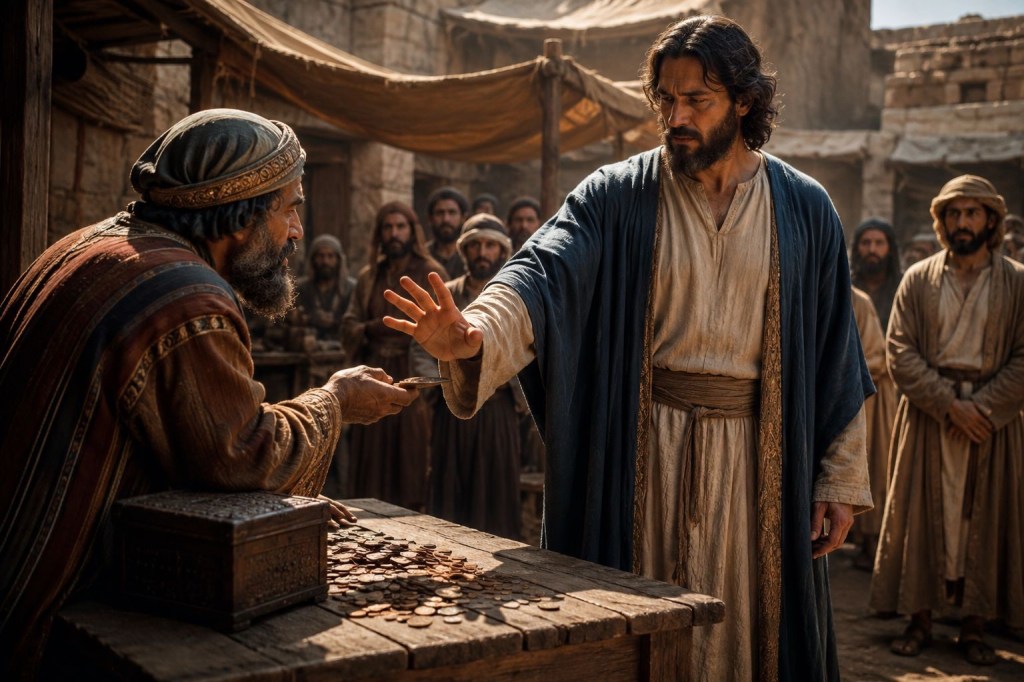
During Passover, Jesus found animals being sold and money exchanged in the temple. He drove out the animals, overturned the money changers’ tables, and commanded the dove sellers to remove their goods. His disciples remembered the Scripture concerning zeal for God’s house.
🔥 Righteous Conviction Protects What Is Sacred
Jesus was not condemning every form of buying and selling. The immediate issue was commerce occupying and corrupting space dedicated to His Father’s worship. His action revealed messianic authority, righteous zeal, and unwillingness to tolerate the misuse of what belonged to God.
We must therefore avoid turning this passage into a simple business-management rule. Jesus is the Son of God, Messiah, and Lord—not merely an ethical reformer. Nevertheless, His action gives Christian professionals a serious workplace application: legitimate activity becomes corrupt when it exploits trust, distorts purpose, or places financial gain above faithfulness.
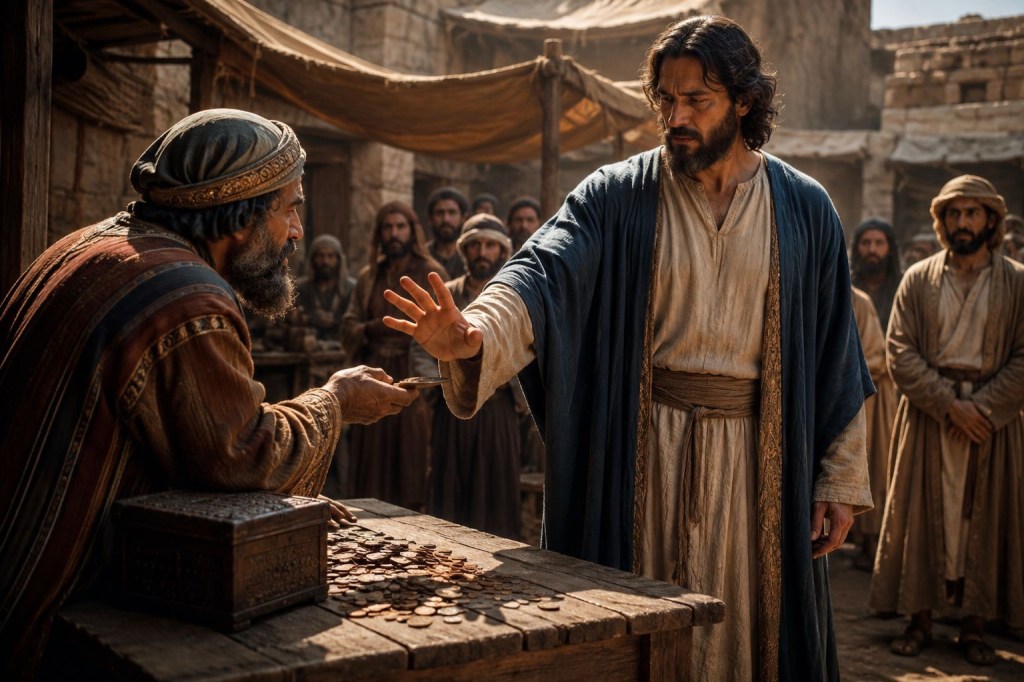
Businesses depend on trust. Customers trust product claims. Employees trust payroll and safety systems. Investors trust reports. Communities trust professionals to use specialised knowledge responsibly. When leaders manipulate these relationships, profit becomes a form of exploitation.
Moral courage is the God-given conviction to confront wrong even when the practice is established, convenient, or profitable. It may require refusing a misleading advertisement, correcting an inflated invoice, reporting unsafe work, protecting an employee from abuse, or removing a sales incentive that rewards deception.
Marketplace purity does not mean withdrawing from commerce. It means bringing commerce under Christ’s lordship. Because Jesus is Lord, faith must shape our policies—not serve as decoration around them.
🧭 Build Conviction Into Policy
Good intentions can disappear when pressure increases. Moral courage becomes sustainable when convictions are expressed through clear policies, transparent records, fair pricing, safety controls, and accountable leadership.
Professionals should identify where vulnerable people could be exploited and establish safeguards before misconduct occurs. Christian character asks not only, “Is this profitable?” but also, “Is this truthful, just, and faithful before Christ?”
🎯 Protect Values Before Profit
- Review one policy that could reward concealment, manipulation, or unfair treatment.
- Remove any sales claim that customers could reasonably misunderstand.
- Create a safe reporting channel for ethical, quality, or employee concerns.
💬 A Businessman Guided by Scripture
“The Bible is my guidebook for life.”
— S. Truett Cathy
Cathy openly connected his life and business convictions with Scripture. The deeper challenge is not merely to display biblical values, but to let them govern costly operating decisions.
🏪 The Restaurant That Closed for Conviction
In 1946, S. Truett Cathy opened the Dwarf Grill with his brother Ben in Hapeville, Georgia. Although restaurant work demanded long hours, Cathy chose to close on Sundays. Chick-fil-A’s official history says he wanted himself and his employees to have a day for rest, family, or worship. The company continues that practice.
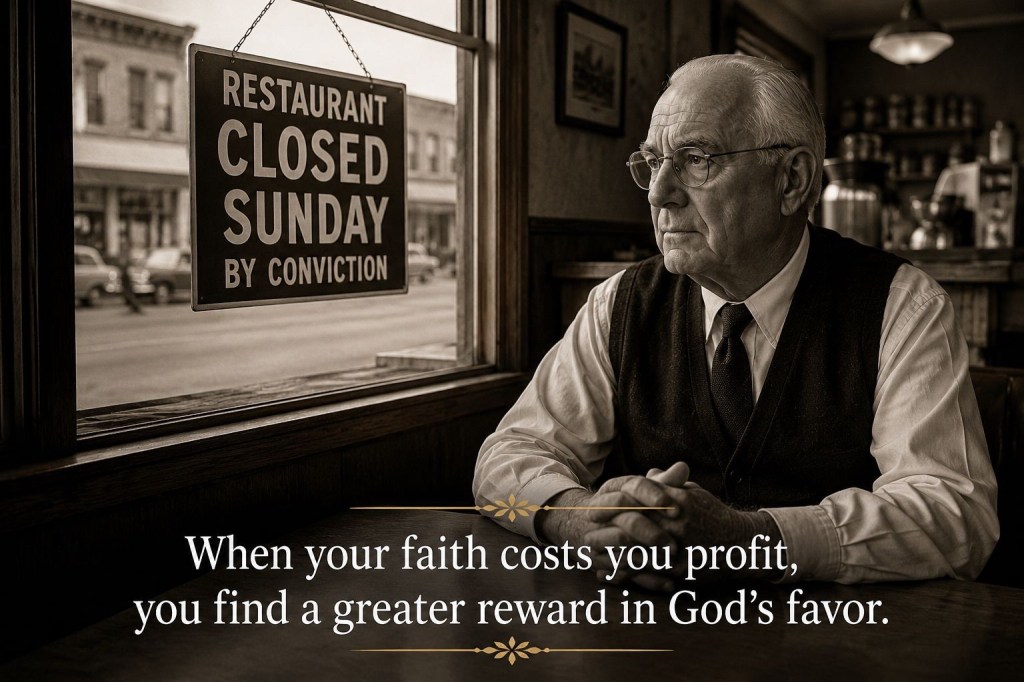
Closing meant surrendering a full day of possible sales; it was a policy shaped before Chick-fil-A became a major brand. Its later growth should not be treated as a guaranteed reward for obedience. The lasting lesson is that convictions become credible when they shape schedules, systems, and revenue decisions—not merely public statements.
Practical Takeaway: Establish policies that protect God-honouring values before financial pressure arrives.
Further Reading:
Why Is Chick-fil-A Closed on Sunday?
🏢 Bring Purity Into Your Workplace
- Identify one area where commercial pressure could weaken honesty or fairness.
- Discuss one non-negotiable ethical boundary with your team this week.
- Measure one business decision by its effect on customers, employees, and trust—not revenue alone.
🤔 Examine Your Business Convictions
- Which profitable practice would I struggle to stop if Christ exposed it as harmful?
- Do my policies protect people, or merely protect revenue and reputation?
🙏 Lord, Purify My Work
Lord Jesus, give me righteous conviction without pride or harshness. Expose every practice in my work that exploits trust, misleads customers, harms employees, or uses faith for gain. Give me courage to correct what is wrong, even when obedience is costly. Help me build truthful policies, fair relationships, and accountable systems. Keep profit from becoming my master. May my decisions honour Your lordship, protect my neighbour, and reflect holiness, justice, mercy, and faithful stewardship. Amen.


Leave a comment