
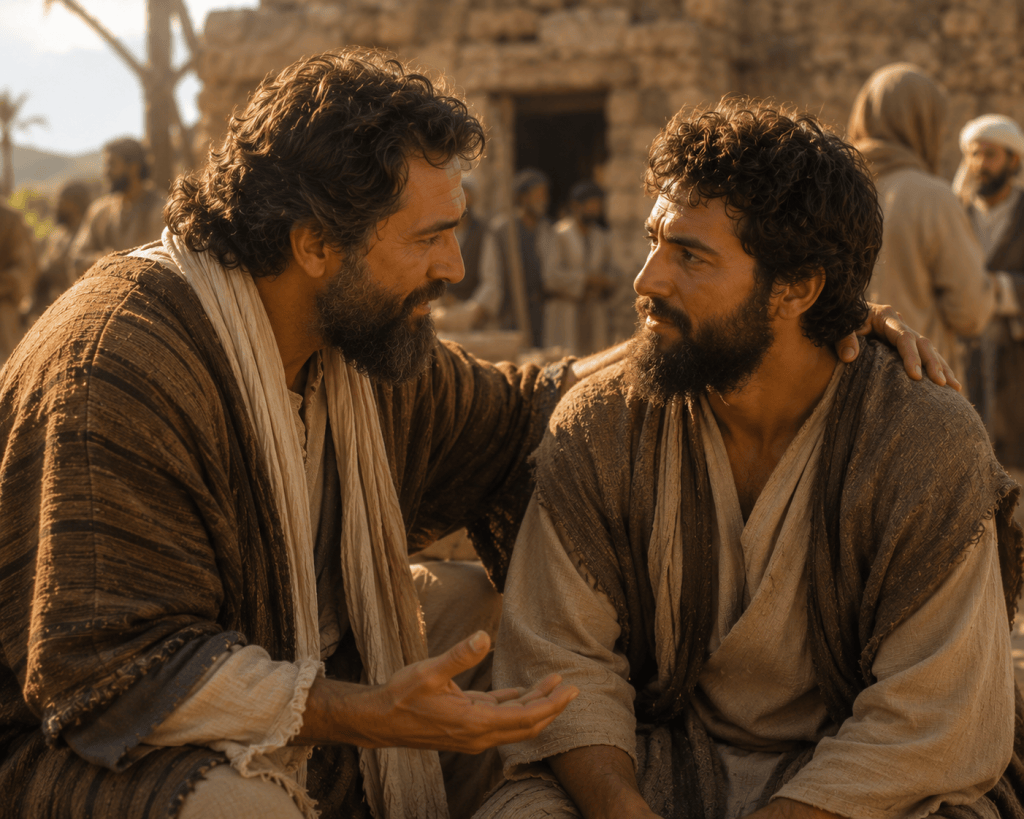
“Encouragement is oxygen to the soul; we rise higher when someone believes in us.”
— Charles R. Swindoll
📖 Scripture Passage (Acts 4:36–37)
“And Joses, who by the apostles was surnamed Barnabas, (which is, being interpreted, The son of consolation,) a Levite, and of the country of Cyprus, having land, sold it, and brought the money, and laid it at the apostles' feet.”
Acts 4:36-37 KJV
🏢 Opening workplace connection
In today’s workplace, performance is often valued more than people. Employees are measured by results, targets, and outputs. While excellence and productivity are important, many workplaces struggle with a deeper issue—lack of encouragement.
Teams may have skilled individuals, but without support and motivation, individuals can feel discouraged, overlooked, or unvalued.
Leaders often focus on correcting mistakes rather than building people. Colleagues may compete instead of uplift.
In such an environment, people begin to lose confidence, creativity, and even purpose.
This raises an important question: *Who is investing in people, not just performance?*
The Bible introduces us to Barnabas—a man whose strength was not only in doing work, but in building people.
👨💼 A Mentor Who Strengthened Others
Barnabas was known as the “son of consolation” or “son of encouragement.” His name itself reflects his calling.
He was a Levite, meaning he understood spiritual responsibility and service.
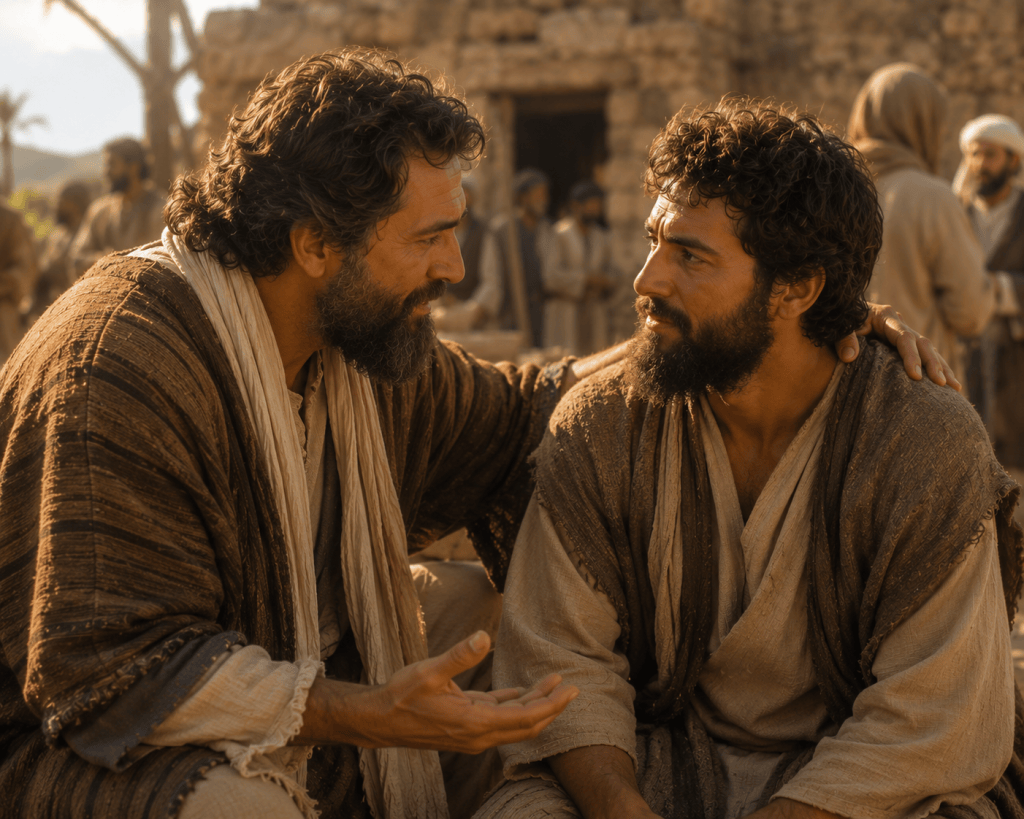
His strengths were not limited to personal ability. Instead, he excelled in:
* Encouraging others in faith
* Mentoring and supporting leaders
* Building unity and trust within teams
Barnabas demonstrated:
* Compassion toward struggling believers
* Faith in people others doubted
* Willingness to invest time and energy in others
His excellence was not in self-promotion, but in empowering others.
He recognized potential where others saw weakness.
📜 Encouragement in Action: A Leader Behind Leaders
Barnabas appears in the early church during a time of growth and opposition after the resurrection of Jesus Christ.
The early church faced strong resistance from Jewish authorities and Roman oversight. Believers were often rejected, misunderstood, or persecuted.
In Acts 4, Barnabas is introduced as someone who willingly gave his resources to support the church. His generosity reveals a heart aligned with God’s mission.
Later, in Acts 9, we see a crucial moment.
Saul (later Paul) had a dangerous reputation for persecuting Christians. When he converted, believers were afraid to trust him.
Key Moment:
Barnabas stepped in.
He brought Saul to the apostles and testified about his genuine conversion.
Without Barnabas:
* Saul may have remained rejected
* His ministry could have been delayed
Barnabas saw what others could not.
Later, in Acts 11, Barnabas was sent to Antioch—a growing center of the church.
There, he encouraged believers, and Scripture says he was a “good man, full of the Holy Ghost and of faith.”
Instead of working alone, Barnabas sought help.
He went to find Saul and brought him into ministry partnership.
The phrase “son of consolation” reflects encouragement as an active role—not passive emotion. It indicates someone who strengthens, exhorts, and builds.
Barnabas reflects the work of the Holy Spirit, who is the ultimate Comforter and Encourager (John 14:16).
God uses encouragers to raise leaders.
Barnabas did not lead from the front—but he built those who would.
🌍 Edward Kimball: Encourager Who Influenced Generations (USA, 1800s)
Edward Kimball was a simple Sunday school teacher in the 19th-century United States. He was not famous, nor was he known as a great preacher.
But he had a burden to encourage and guide others toward Christ.
One day, he visited a young shoe salesman named Dwight L. Moody.
Kimball felt nervous and unqualified, but he chose obedience over fear.
He shared the gospel personally and encouraged Moody in his faith.
That moment changed history.
Dwight L. Moody went on to become one of the most influential evangelists of his time, impacting millions through preaching and ministry.

Kimball did not become famous.
But through one act of encouragement:
* A leader was raised
* Lives were transformed
* Generations were impacted
Takeaway:
Encouraging even one person faithfully can influence countless others for God’s kingdom.
🏭 Workplace lessons for today:
Barnabas teaches us essential lessons for professional life:
* Encourage people, not just evaluate them
* See potential where others see limitations
* Support teammates during difficult seasons
* Mentor others intentionally
* Build a culture of trust and growth
In every profession—engineering, healthcare, education, business—encouragers are essential.
They strengthen teams, build confidence, and create long-term success.
🔥 Spiritual Insight
Barnabas reminds us that encouragement is a spiritual gift.
Building others is part of God’s work.
The Holy Spirit empowers believers to strengthen, guide, and uplift one another.
Work is not only about tasks—it is about people.
Influence is not measured by position—but by impact on lives.
When you encourage others, you participate in God’s plan of growth.
True greatness is not in being known—but in helping others grow.
🤔 Reflection questions
1. Do I intentionally encourage others in my workplace?
2. Am I helping others grow, or only focusing on my success?
3. How can I invest in someone who needs support today?
🙏 Prayer:
Lord, help me to be an encourager like Barnabas. Give me a heart to build others, not just succeed myself. Help me see potential in people and invest in their growth. Use my life to strengthen others. In Jesus’ name, Amen.


Leave a comment