
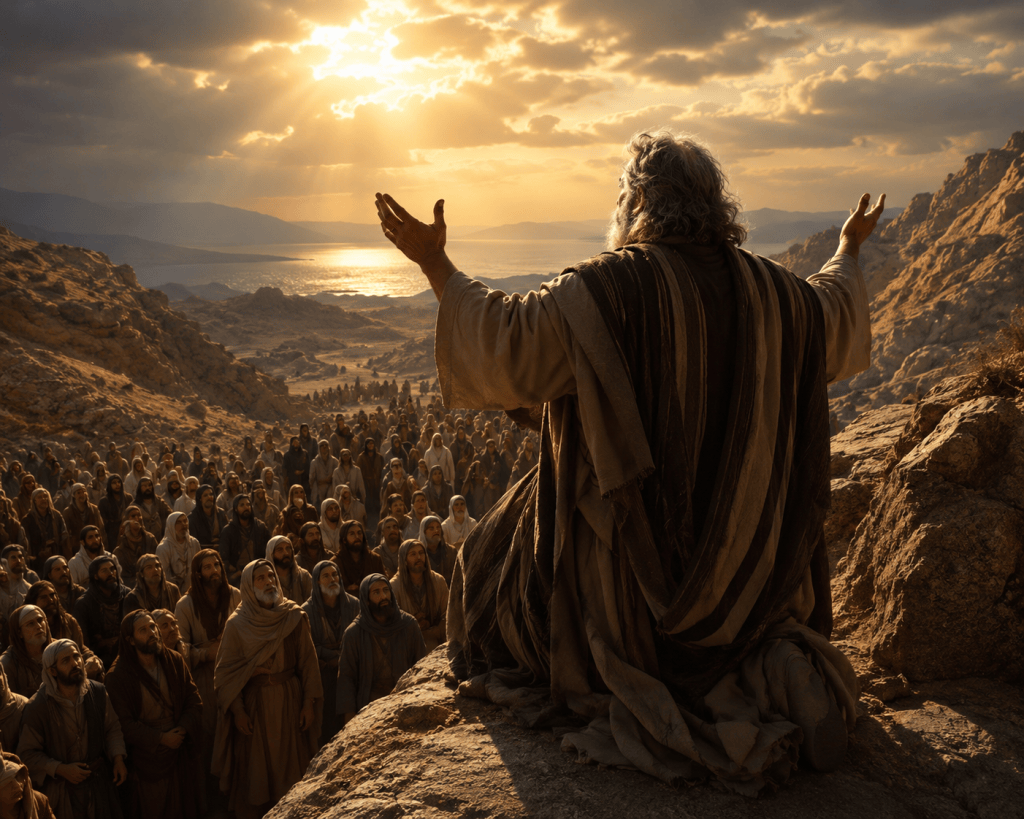
“Leadership is not so much about technique and methods as it is about opening the heart.”
— Henri Nouwen
📖 Main Scripture Passage
“And he said, My presence shall go with thee, and I will give thee rest.”
Exodus 33:14 KJV
Moses carried one of the greatest leadership responsibilities in Scripture. His strength did not come from personal ability alone but from God’s presence that guided, sustained, and empowered him through every challenge.
🏢 Leading When Pressure Never Seems to End
Many professionals discover that leadership becomes increasingly difficult as responsibility grows. Engineers manage critical projects with tight deadlines. Healthcare leaders make life-impacting decisions. Teachers shape future generations while balancing countless demands. Business owners navigate uncertainty, financial pressures, and employee welfare. Ministry leaders care for people through seasons of crisis, conflict, and disappointment.
Leadership often means carrying burdens that others never see.
The pressure of decision-making, criticism from different directions, limited resources, unexpected setbacks, and responsibility for people can become emotionally exhausting. Some leaders quietly wonder whether they are equipped for the challenges before them.
The greatest leadership challenge is often not technical complexity but people complexity.
How do you lead when people complain? How do you continue serving when your efforts are misunderstood? How do you remain faithful when the weight of responsibility feels overwhelming?
Moses faced these same questions. His story reveals that great leaders are not those who avoid pressure but those who learn to depend upon God’s presence while serving people faithfully.
👨💼 Moses: The Leader Who Learned to Depend on God
From Prince to Shepherd to National Leader
Moses occupies a unique place in biblical history. Raised in Pharaoh’s palace, educated in Egypt’s highest institutions, and later humbled through forty years of shepherding in Midian, Moses was prepared by God through both privilege and adversity.
When God called him at the burning bush, Moses did not appear confident or eager. Instead, he questioned his qualifications, abilities, and speaking skills. He understood the enormous challenge before him.
Yet God saw something greater.
Moses would become a national leader, mediator, lawgiver, and shepherd of God’s people. His leadership required:
• Courage under pressure
• Conflict resolution
• Crisis management
• Strategic decision-making
• Intercession for people
• Humility under criticism
• Dependence on God
The Hebrew concept behind God’s promised presence emphasizes personal companionship rather than distant assistance. God was not merely providing help; He was promising Himself.
Moses’ greatness did not come from natural leadership gifts alone. It came from learning that God’s presence was more valuable than personal strength.
His life demonstrates that effective leadership flows from dependence upon God rather than self-confidence.
📜 Leading a Nation Through the Wilderness
Leadership in the Midst of Constant Challenges
The story unfolds during Israel’s oppression in Egypt. For approximately four hundred years, the descendants of Abraham lived under increasing bondage. Egypt stood as one of the most powerful empires of the ancient world. Pharaoh possessed immense political authority and was regarded as divine by many Egyptians.
Against this backdrop, God called Moses to lead His people to freedom.
The narrative begins dramatically in Exodus 3. While tending sheep near Mount Horeb, Moses encountered a bush that burned without being consumed. There God revealed Himself as the covenant-keeping God of Abraham, Isaac, and Jacob.
Moses immediately recognized the magnitude of the assignment.
He would confront Pharaoh, challenge Egypt’s power structure, and lead an enslaved nation into freedom.
His first response was hesitation.
“Who am I, that I should go unto Pharaoh?” he asked.
This question reveals a profound truth about leadership. Many of God’s greatest leaders initially feel inadequate for their calling. Moses understood his weaknesses better than his strengths.
God’s answer was simple yet powerful:
“Certainly I will be with thee.”
Throughout the Exodus story, God’s presence becomes the defining factor in Moses’ leadership. Through the ten plagues, the Passover, the crossing of the Red Sea, and the wilderness journey, God continually demonstrated His faithfulness.
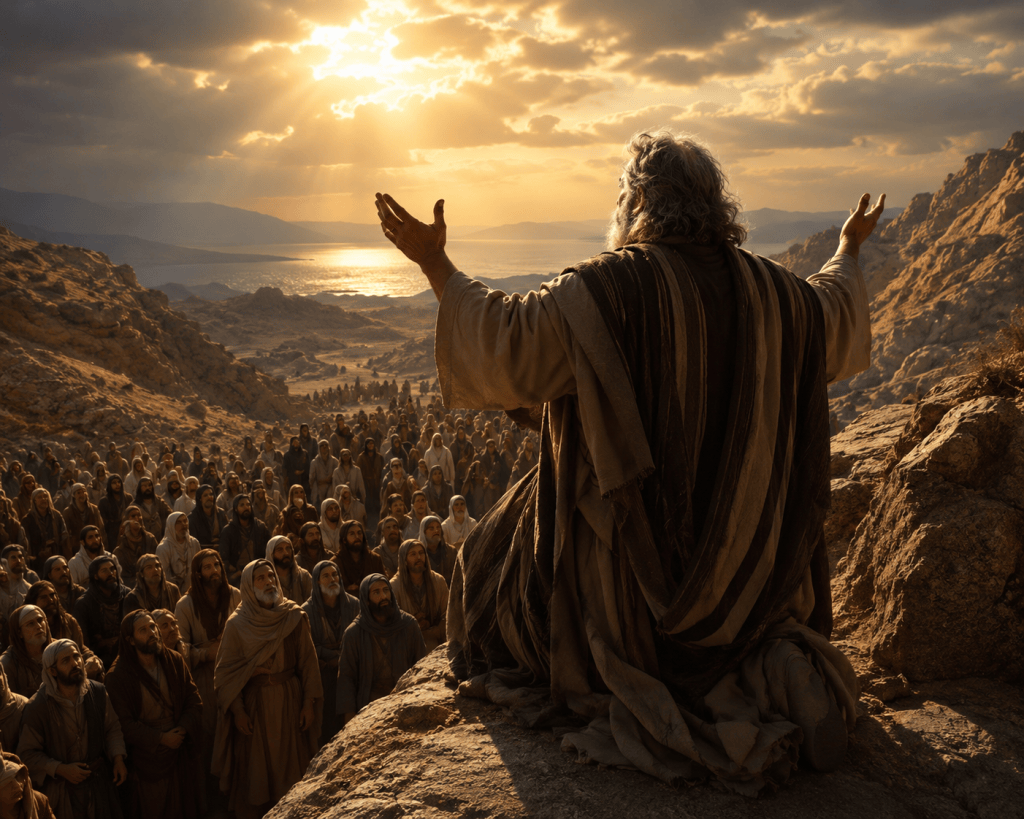
Yet deliverance from Egypt was only the beginning.
The wilderness presented new challenges. The people complained about food, water, leadership, and direction. They frequently questioned Moses’ decisions and even desired to return to Egypt.
Leadership pressure intensified.
Moses carried the concerns, conflicts, fears, and expectations of an entire nation. At times, the burden felt unbearable. In Numbers 11, Moses openly expressed his exhaustion before God.
One of the greatest crises occurred after the golden calf incident in Exodus 32. While Moses received God’s law on Mount Sinai, the people turned to idolatry. The nation had broken covenant almost immediately.
In Exodus 33, Moses faced a defining leadership moment.
Rather than abandoning the people, he interceded for them. He pleaded for God’s mercy and guidance. Most importantly, he recognized that success without God’s presence would ultimately be failure.
Moses declared:
“If thy presence go not with me, carry us not up hence.”
The Lord responded with one of Scripture’s most comforting promises:
“My presence shall go with thee, and I will give thee rest.”
Theologically, Moses points forward to Jesus Christ. Moses served as a mediator between God and Israel, but Christ is the perfect mediator between God and humanity. Moses delivered Israel from physical slavery; Christ delivers believers from slavery to sin.
The story teaches that leadership is not ultimately about authority but stewardship. Great leaders depend upon God while serving others faithfully.
🌍 Ernest Shackleton: Leadership That Saved Every Life
A Leader Who Refused to Abandon His Team
In 1914, Ernest Shackleton launched the Imperial Trans-Antarctic Expedition. His goal was ambitious: to lead the first expedition across Antarctica.
The mission began with optimism and determination.
However, disaster struck when the expedition ship, Endurance, became trapped in Antarctic ice. Month after month, the crew watched as immense pressure from the ice slowly crushed the vessel.
Eventually, the ship sank.
Twenty-eight men found themselves stranded in one of the harshest environments on earth. Temperatures were deadly. Food supplies were limited. Rescue seemed impossible.
The situation demanded extraordinary leadership.
Shackleton understood that his primary responsibility was no longer exploration but protecting the lives entrusted to his care.
Throughout the crisis, he demonstrated remarkable leadership. He shared hardships with his men, maintained morale, settled disputes, and consistently placed the welfare of others ahead of his own interests.
Fear and discouragement constantly threatened the group, yet Shackleton refused to abandon hope.
In 1916, he undertook an incredibly dangerous journey across hundreds of miles of storm-filled ocean in a small lifeboat to seek rescue.
After multiple attempts and many months of uncertainty, Shackleton returned.
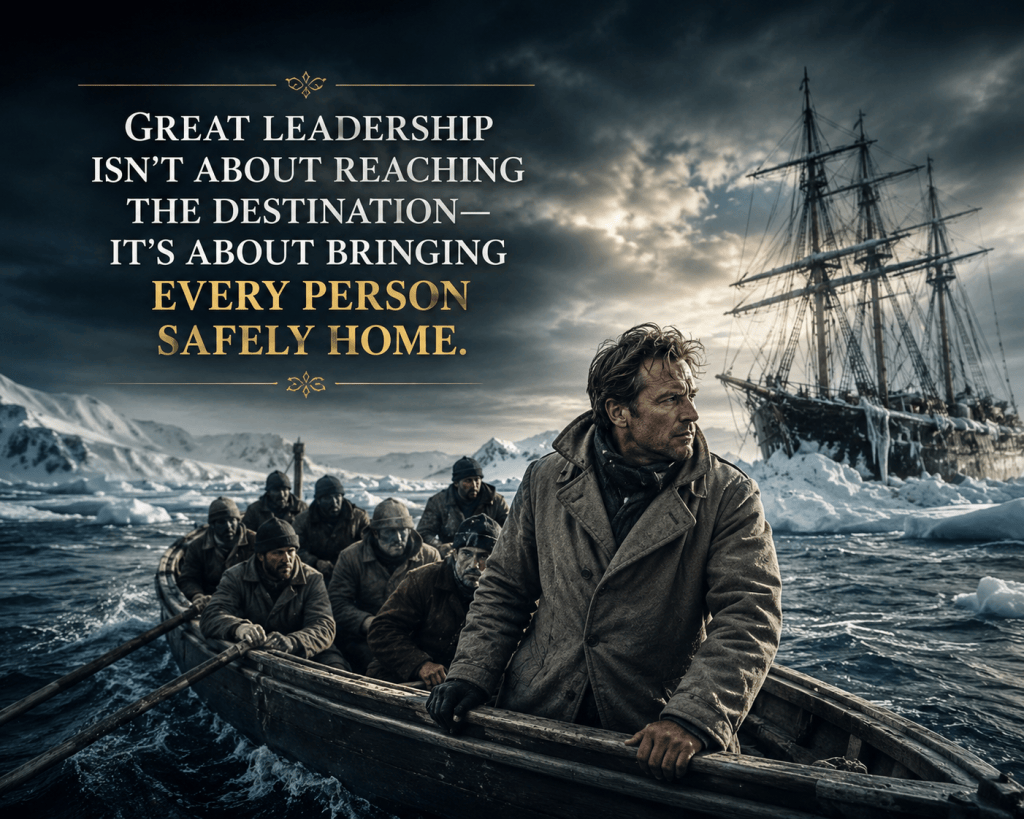
Every member of his team survived.
His achievement was not measured by reaching Antarctica but by faithfully leading people through overwhelming challenges.
Like Moses in the wilderness, Shackleton faced uncertainty, complaints, setbacks, and immense responsibility. Both leaders discovered that true leadership means serving people faithfully when circumstances become difficult.
His story reminds modern professionals that great leaders are remembered not merely for accomplishments but for how they care for people during seasons of crisis.
🏭 Workplace Lessons for Today
Moses teaches that leadership involves serving people faithfully even when leadership becomes difficult.
Modern professionals regularly encounter situations requiring courage, patience, and wisdom. Engineers coordinate large teams and complex systems. Healthcare workers make difficult decisions under pressure. Educators influence lives over many years. Business leaders navigate uncertainty and responsibility.
Practical leadership lessons include:
• Great leaders serve before they lead.
• God’s wisdom is essential during difficult decisions.
• Courage grows through dependence on God.
• Perseverance matters during prolonged challenges.
• People require patience, compassion, and guidance.
• Humility strengthens leadership effectiveness.
• Faithfulness creates long-term influence.
The most impactful leaders understand that authority exists to benefit others rather than elevate themselves.
🔥 Spiritual Insight
Moses’ story reveals that leadership is ultimately a spiritual stewardship entrusted by God.
Many believers think of ministry only within church settings. Yet God calls people to lead in workplaces, hospitals, classrooms, factories, government offices, businesses, and communities.
Work becomes worship when leadership is exercised with humility, integrity, and dependence upon God.
The greatest lesson from Moses is not merely how to manage people but how to walk closely with God. His effectiveness flowed from God’s presence.
This truth points directly to Christ.
Jesus is the greater Moses who perfectly leads His people. Through His death and resurrection, believers receive reconciliation with God and the indwelling presence of the Holy Spirit.
Professional success without character is fragile. Influence without humility becomes dangerous. But leadership shaped by God’s presence can bless people for generations.
God often accomplishes extraordinary things through ordinary leaders who faithfully depend upon Him.
🤔 Reflection Questions
1. Where am I currently experiencing leadership pressure that requires greater dependence on God?
2. Do I view leadership primarily as service or personal achievement?
3. How can I seek God’s presence before making important decisions this week?
🙏 Prayer
Heavenly Father, thank You for the example of Moses. Teach me to lead with humility, wisdom, courage, and compassion. Help me depend on Your presence when responsibilities feel overwhelming. Use my work and influence to serve others faithfully and bring glory to Christ. In Jesus’ name, Amen.


Leave a comment