
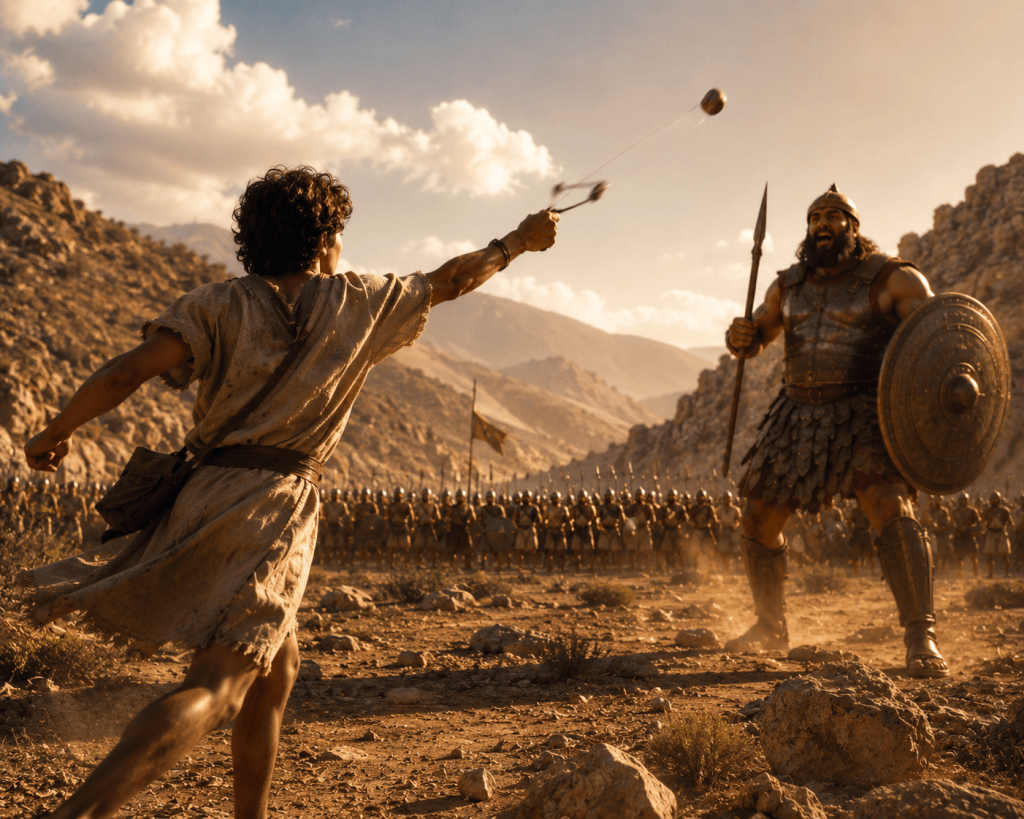
“God does not give us overcoming life; He gives us life as we overcome.”
— Oswald Chambers
📖 Main Scripture Passage
“David said moreover, The Lord that delivered me out of the paw of the lion, and out of the paw of the bear, he will deliver me out of the hand of this Philistine. And Saul said unto David, Go, and the Lord be with thee.”
1 Samuel 17:37 (KJV)
🏢 Hidden Preparation Before Public Leadership
Many professionals desire opportunities for greater leadership, influence, and impact. Yet most people underestimate the importance of hidden preparation seasons. Before promotions come, there are unnoticed years of discipline, difficult responsibilities, and quiet faithfulness.
An engineer learns accuracy through small assignments before leading critical infrastructure projects. A healthcare worker develops emotional endurance during exhausting shifts before supervising others. A business leader learns integrity in private decisions before handling major influence.
Modern culture celebrates visible success but rarely honors hidden preparation.
Many professionals become discouraged because their current responsibilities seem ordinary, repetitive, or unnoticed. Some feel overlooked while others advance faster. Yet Scripture repeatedly shows that God often prepares leaders privately before using them publicly.
David’s courage before Goliath did not suddenly appear in one dramatic moment. It was formed during lonely days protecting sheep where nobody was watching except God.
👨💼 The Shepherd Warrior in Preparation
Before David became king, military leader, or national hero, he was a shepherd serving his father Jesse in Bethlehem. In ancient Israel, shepherding required vigilance, endurance, courage, and responsibility. Shepherds faced harsh weather, isolation, thieves, and dangerous predators.
David’s workplace was not a palace but wilderness fields.
While his older brothers trained as soldiers in Saul’s army, David spent long hours caring for sheep. Humanly speaking, his assignment appeared less significant. Yet those hidden seasons became God’s training ground for leadership.
David later explained to Saul:
“Thy servant kept his father’s sheep, and there came a lion, and a bear, and took a lamb out of the flock” (1 Samuel 17:34).
This was not poetic exaggeration. Shepherds in the ancient Near East genuinely faced predators. David described pursuing the animal, rescuing the lamb, and striking the attacker even when personally endangered.
These experiences shaped both his practical skill and spiritual confidence.
The Hebrew mindset connected faithful stewardship with trustworthiness. David protected what belonged to another person before being entrusted with greater responsibility. Long before leading a nation, he learned responsibility over a small flock.
Professionally, David developed:
• Alertness under pressure
• Physical and emotional endurance
• Courage during danger
• Strategic response during crisis
• Faithfulness in isolated work
• Dependence upon God
His preparation was not glamorous, but it was essential.
Many modern professionals want visible platforms without hidden discipline. Yet God often develops leadership character quietly through routine assignments, difficult supervisors, repeated challenges, and unseen responsibilities.
David’s hidden battles with lions and bears prepared him psychologically, physically, and spiritually for future warfare.
📜 From Wilderness Battles to National Victory
The events of 1 Samuel 17 occurred during ongoing conflict between Israel and the Philistines around the 11th century BC. Israel desired political stability and military security, yet spiritually the nation struggled with fear and inconsistent trust in God.
The Philistine champion Goliath represented overwhelming human strength. His armor, weapons, height, and battlefield experience intimidated Israel’s army for forty days. Saul himself — once chosen partly because of impressive appearance — now stood paralyzed with fear.
The contrast in the narrative is powerful.
Trained soldiers feared battle, while an overlooked shepherd possessed courage.
Why?
Because David’s confidence had been developed before the battlefield.
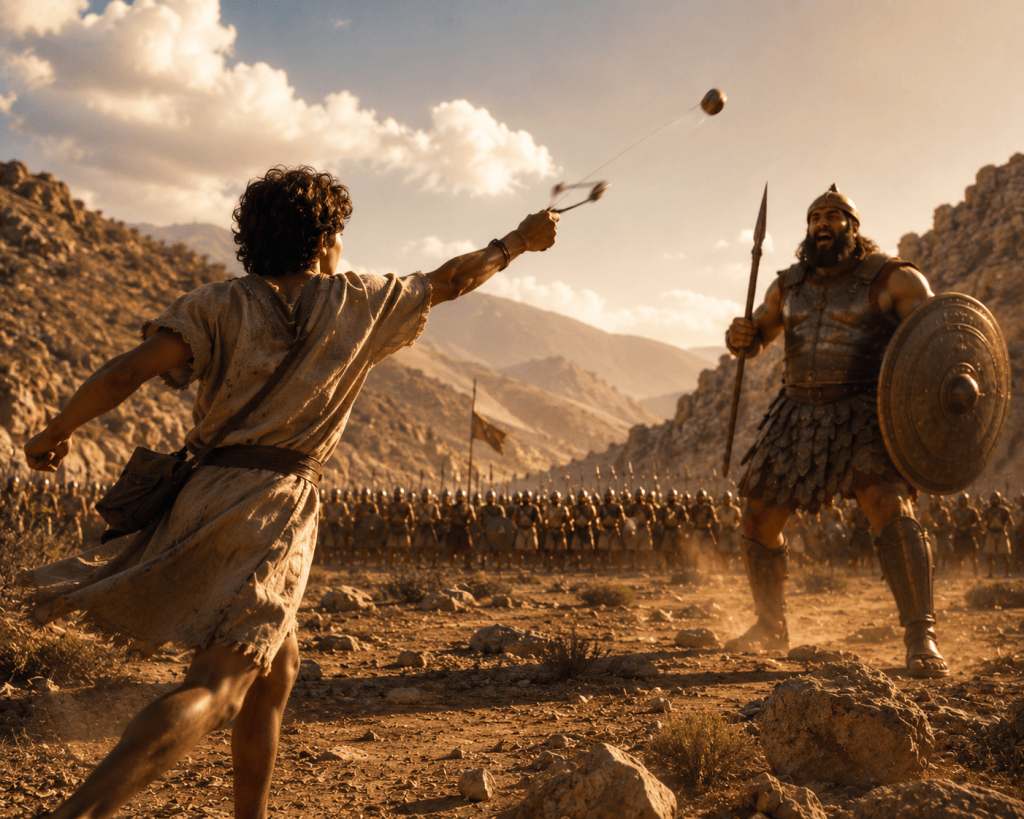
When David heard Goliath mocking Israel and dishonoring God, he viewed the situation differently from everyone else. Others measured Goliath against human ability. David measured Goliath against God’s power.
His speech to Saul reveals the connection between private preparation and public courage:
“The Lord that delivered me out of the paw of the lion, and out of the paw of the bear…”
David remembered God’s faithfulness in earlier battles.
This is one of the deepest leadership lessons in Scripture. Faith grows through remembered obedience and past experiences of God’s help. The wilderness prepared David’s theology before it tested his courage publicly.
Literarily, the story intentionally highlights reversal. The youngest son becomes the deliverer. The shepherd succeeds where warriors hesitate. The unarmored servant defeats the armored giant.
Theologically, David foreshadows Christ — the greater Shepherd-King who would later defeat humanity’s ultimate enemies: sin, death, and Satan. Just as Israel could not save itself from Goliath, humanity ultimately required a Deliverer greater than human strength.
The phrase “Lord of hosts” used by David refers to Yahweh Sabaoth — the Commander of heaven’s armies. David understood that true victory belongs to God.
Interestingly, David refused Saul’s armor because he had not “proved” it. Instead, he used the sling skills developed during shepherd life. God used abilities formed in ordinary obedience.
This has profound workplace application. Many professionals underestimate the value of skills developed in difficult seasons:
• Crisis management
• Technical precision
• Emotional endurance
• Communication
• Patience
• Problem-solving
• Quiet consistency
Often the very experiences that feel small or frustrating become preparation for future responsibility.
David’s victory over Goliath was dramatic, but the deeper story began years earlier in hidden fields where he faithfully protected sheep from lions and bears.
Public victories are usually built upon private faithfulness.
🌍 Desmond Doss and Courage Without Compromise
During World War II, Desmond Doss served as a U.S. Army medic under extreme battlefield conditions. Unlike most soldiers, Doss refused to carry a weapon because of his deeply held Christian convictions. Many fellow soldiers mocked him, questioned his courage, and considered him weak.
Yet hidden preparation shaped his courage long before public recognition came.
Raised in a Christian home, Doss developed deep convictions about faith, prayer, and obedience to God. His spiritual discipline formed privately before it was tested publicly in war.
In 1945, during the Battle of Okinawa at Hacksaw Ridge, soldiers were trapped under heavy enemy fire. Fear spread across the battlefield as wounded men lay helpless across dangerous terrain.
Amid explosions and chaos, Doss repeatedly entered danger alone to rescue injured soldiers. One by one, he lowered wounded men down the ridge to safety using ropes.
Each time he returned into danger, he reportedly prayed:
“Lord, help me get one more.”
By the end of the battle, approximately 75 soldiers had been rescued through his courage and perseverance.
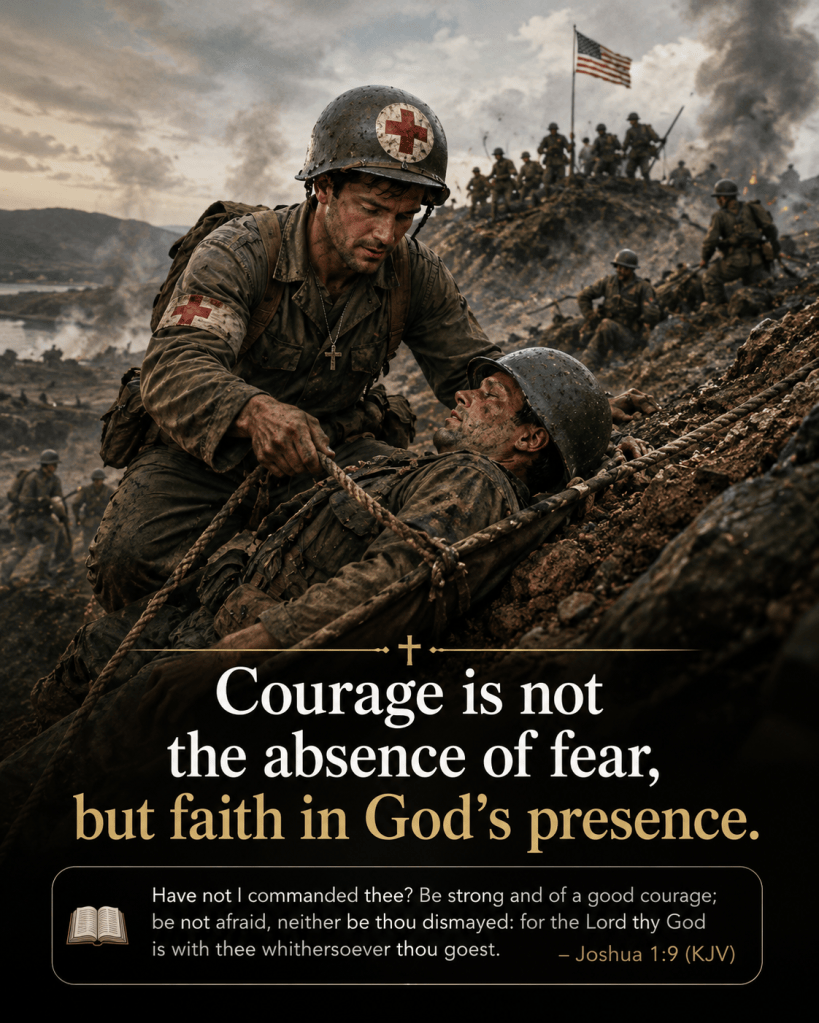
Like David, Doss demonstrated that courageous leadership is usually formed long before public crisis arrives. Private convictions prepared him for public pressure.
🏭 Workplace Lessons for Today
Professionals often focus only on visible opportunities while neglecting present responsibilities. Yet hidden faithfulness builds future leadership capacity.
David teaches that preparation seasons matter deeply. The workplace challenges you currently face may actually be training ground for future assignments. Difficult projects develop endurance. Quiet responsibilities develop discipline. Ethical decisions build character. Pressure develops maturity.
Professionals should also remember that courage grows gradually. David did not begin with Goliath; he first learned faithfulness protecting sheep. Likewise, leadership confidence often develops through smaller victories handled with integrity and dependence upon God.
Another lesson is that God frequently uses existing skills developed in ordinary work. David’s sling was not random; it reflected years of practice. Excellence in technical work, administration, healthcare, teaching, engineering, or leadership may become powerful tools for future influence.
Hidden preparation is never wasted in God’s kingdom.
🔥 Spiritual Insight
David’s story reminds believers that God values hidden faithfulness before public success. The Lord often develops spiritual maturity privately before entrusting visible influence.
The Christian life is not built upon instant greatness but daily dependence upon God.
Many believers want deliverance without preparation, influence without discipline, and leadership without surrender. Yet God shaped David through ordinary responsibilities, loneliness, danger, and repeated trust.
Spiritually, the lion and bear represented more than physical threats. They became opportunities for David to experience God’s sustaining presence personally.
Likewise, many workplace struggles today become places where faith matures deeply.
Christ Himself spent years in hidden preparation before public ministry. This pattern appears repeatedly throughout Scripture. God forms character before expanding influence.
Success without spiritual depth becomes dangerous. But courage rooted in God’s presence produces lasting influence.
🤔 Reflection Questions
1. What hidden responsibilities might God be using to prepare your leadership?
2. How have past challenges strengthened your faith and courage?
3. Are you embracing present assignments faithfully or only waiting for bigger opportunities?
🙏 Prayer
Lord, help me remain faithful in hidden seasons of preparation. Teach me courage through daily obedience and dependence upon Your presence. Develop wisdom, integrity, endurance, and humility within me. Use my ordinary responsibilities to prepare me for greater service that honors You. In Jesus’ name, Amen.


Leave a comment