
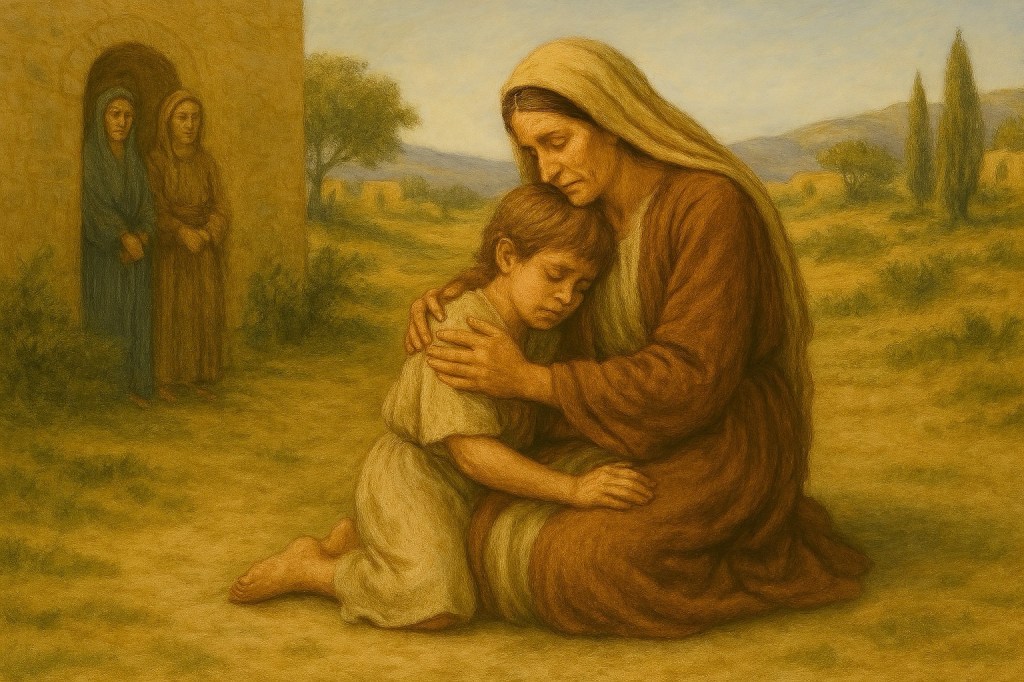
📖 ✝️ Scripture Reading:Exodus 22:21–24
“Thou shalt neither vex a stranger, nor oppress him: for ye were strangers in the land of Egypt. Ye shall not afflict any widow, or fatherless child.”
Exodus 22:21-22 KJV
“The true test of faith is not how it treats God, but how it treats the powerless.”
— Dietrich Bonhoeffer
💒 🕊️ ✨ Context ( Story ) :
Exodus 22:21–24 is spoken at Mount Sinai, at a moment when Israel has just crossed from slavery into freedom, but not yet into settled life. God has delivered them from Egypt’s cruelty, and now He must ensure they never become what once oppressed them.
For centuries, Israel lived as strangers in Egypt—people without rights, security, or voice. They were economically useful but socially disposable. Their cries went unanswered by Pharaoh, but not by God. Scripture repeatedly reminds us that Israel’s salvation began when God heard the cry of the oppressed (Exod 3:7).
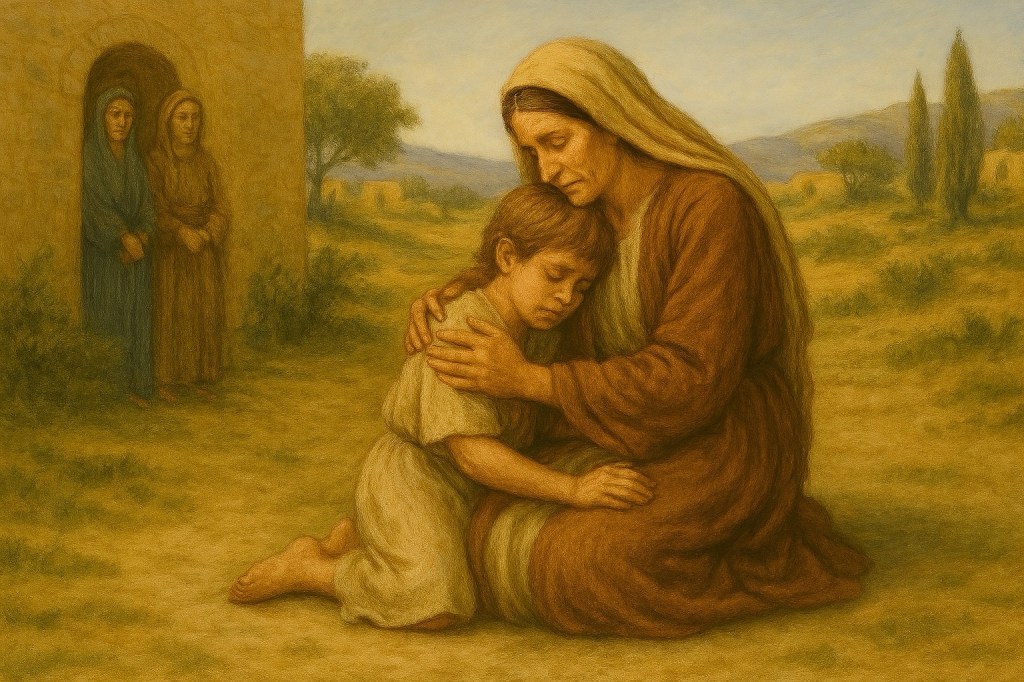
Now redeemed, Israel is being shaped into a covenant people. God weaves compassion directly into law, naming three groups especially vulnerable in the ancient world:
• The Stranger (gēr) — the foreigner without land, lineage, or legal power
• The Widow — lacking economic protection in a patriarchal society
• The Orphan — without inheritance or courtroom advocate
These people had no safety nets. Exploiting them was easy—and common in other nations.
What makes this law radical is that God personally identifies as their defender. He does not delegate their care to kings or courts alone. He says, “They cry unto Me, and I will hear.” When human systems fail, heaven itself intervenes.
This passage teaches that holiness is not proven only by worship practices, but by how a society treats those with nothing to give back. A redeemed people must not reproduce Egypt’s oppression in God’s promised land.
🤔 🪞 💡 Reflection Thought :
God does not treat compassion as optional charity or emotional kindness. He binds it into covenant law. Exploiting the weak is not merely social injustice—it is spiritual rebellion. The anger described here is not uncontrolled rage but covenant justice. God responds decisively because neglecting the vulnerable distorts His redeemed community and misrepresents His character.

Compassion, in Scripture, is not sentimental—it is structural. It shapes laws, economies, and daily relationships. God reveals that when the powerless are harmed, He takes it personally.
🎬🔛 Historical True Story :
“Lord Shaftesbury and the Children Without a Voice”
London, England — 1840s
In Victorian England, thousands of orphaned and poor children worked brutal hours in factories and coal mines. Society accepted this as economic necessity. One man refused to.
Anthony Ashley-Cooper, the 7th Earl of Shaftesbury, a devout Christian, was deeply moved by Scripture’s commands to defend widows and orphans. Despite political resistance, ridicule, and economic pressure, he spent decades fighting for child labor laws.
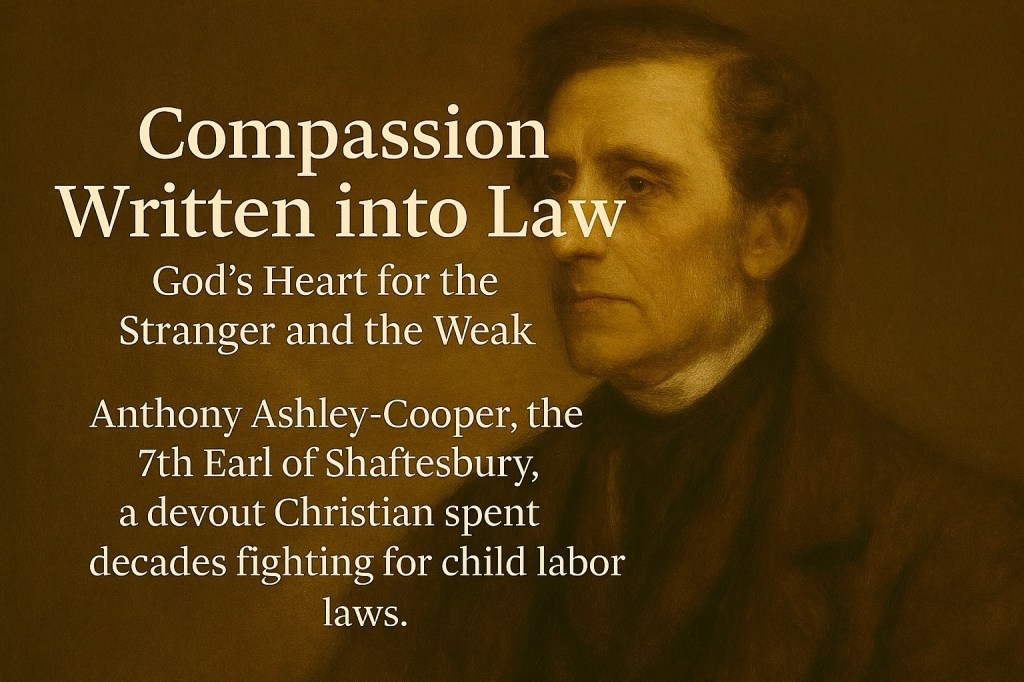
Before reform, children as young as six worked underground for 12–14 hours a day. After persistent advocacy, Parliament passed the Factory Acts, limiting child labor and improving conditions. Thousands of children were rescued from exploitation.
Shaftesbury once said he would rather be remembered as “the friend of the poor” than as a powerful statesman.
📌 His faith turned compassion into public action—echoing Exodus 22 in a modern world.
🔗 Source:
https://www.bbc.co.uk/history/historic_figures/shaftesbury.shtml
⚒️🎯 Personal Application :
As people who have received mercy, we are accountable for how we treat those with less power, fewer options, and quieter voices. We cannot separate faith from justice or worship from compassion. We are called to remember where God found us, to resist systems that benefit us at others’ expense, and to become safe places for the stranger, the grieving, and the forgotten. Our obedience is measured not by how loudly we sing, but by how faithfully we protect.
🙏 🕯️Prayer:
Lord, You heard our cry when we were helpless. Give us hearts that hear the cries of others. Guard us from indifference, protect us from hardness, and make us instruments of Your justice and compassion. Amen.


Leave a comment