
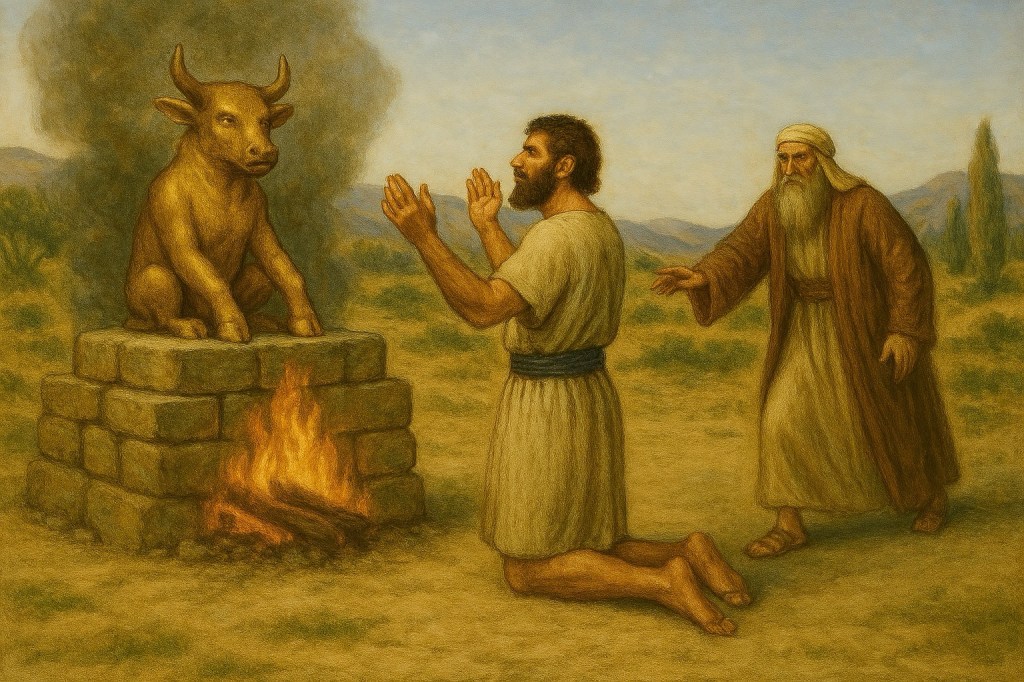
📖 ✝️ Scripture Reading:Exodus 22:18–20
“Thou shalt not suffer a witch to live. Whosoever lieth with a beast shall surely be put to death. He that sacrificeth unto any god, save unto the LORD only, he shall be utterly destroyed.”
Exodus 22:18-20 KJV
“A heart divided between God and power will always choose power.”
— A.W. Tozer
💒 🕊️ ✨ Context ( Story ) :
Israel stands at Mount Sinai—newly redeemed, freshly freed, and frighteningly vulnerable. The chains of Egypt are gone, but the habits of Egypt still cling to their hearts. God is not only forming laws; He is forming a people.
Surrounded by nations intoxicated with magic, sexual chaos, and idol worship, Israel is different—not by ethnicity, but by allegiance. The Covenant Code lays out daily justice: how to repay losses, protect the vulnerable, and honor relationships. Then suddenly, the tone sharpens.
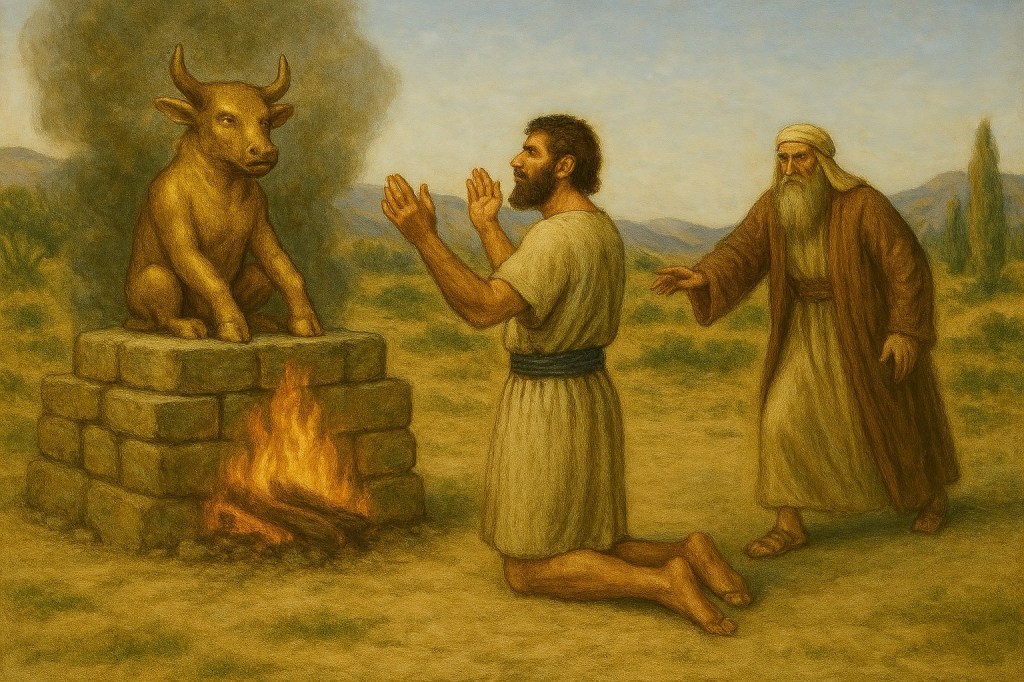
Three sins are named. Three lines are drawn.
Witchcraft. Bestiality. Idolatry.
These are not accidental failures or private struggles. They are open rebellions—attempts to seize power, pleasure, and protection apart from God. At Sinai, the Lord makes one thing unmistakably clear: a redeemed people cannot survive without moral and spiritual boundaries.
🤔 🪞 💡 Reflection Thought :
Why These Sins Matter So Deeply ?

These commands confront us with a sobering truth: not all sins are equal in their consequences, because not all sins strike the same target.
	•	Witchcraft seeks control without trust.
	•	Sexual perversion distorts God’s created design.
	•	Idolatry transfers loyalty away from the true King.

Together, they unravel faith, identity, and worship.

God’s severity here is not cruelty—it is clarity. A surgeon cuts deeply not to destroy, but to save. The covenant cannot coexist with rival powers. Holiness is not optional for survival.
🎬🔛 Historical True Story :
“From Power to Surrender: William Wilberforce’s Turning Point”
📍 England, 1785
William Wilberforce was young, wealthy, brilliant—and deeply ambitious. As a rising star in British politics, he moved comfortably among elites, powerbrokers, and indulgent lifestyles. Faith was an accessory, not an authority.
Then, during a long journey across Europe, Wilberforce began reading the New Testament seriously for the first time. Conviction followed. Prayer followed. Inner conflict exploded.He later wrote in his journal that he had been “living for applause, not for God.”
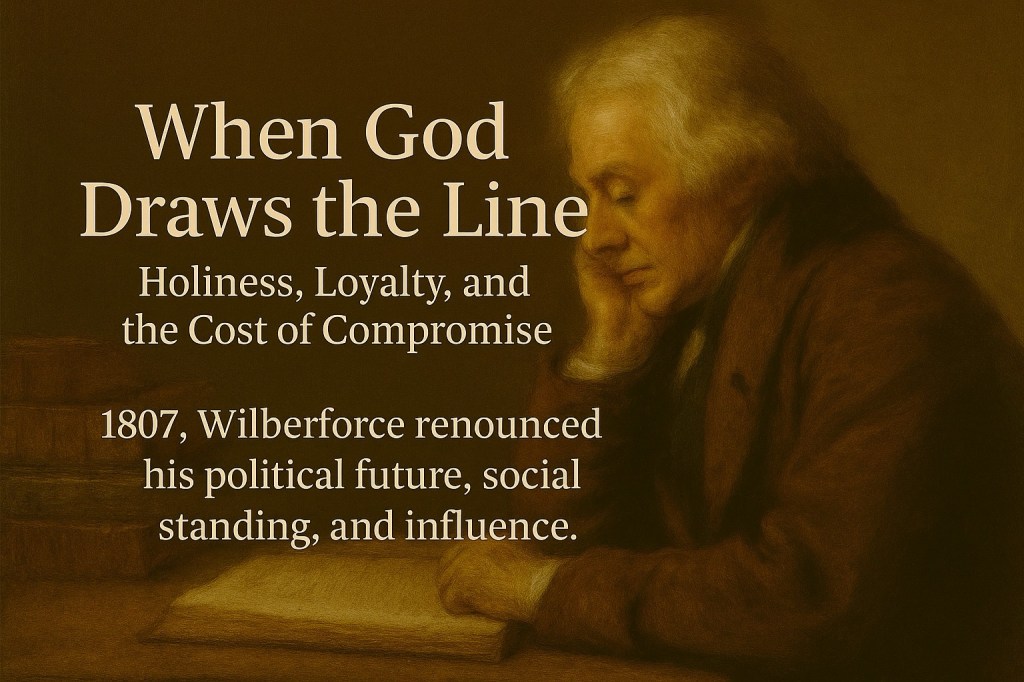
The cost of obedience terrified him. His political future, social standing, and influence all seemed at risk. Yet slowly, deliberately, Wilberforce renounced the idol of power. His life turned outward toward God and justice.What followed was astonishing: decades of tireless labor that led to the abolition of the British slave trade in 1807.
Before surrender: ambition without restraint.
After surrender: influence redeemed for righteousness.Wilberforce’s story proves that when allegiance changes, history changes.
🔗 Source: Encyclopaedia Britannica – William Wilberforce
https://www.britannica.com/biography/William-Wilberforce
⚒️🎯 Personal Application :
When we read these verses, we are invited to examine our own loyalties. We may not bow to carved idols, but we often bow to success, influence, pleasure, or control. We may not practice sorcery, yet we frequently trust systems, strategies, and shortcuts more than prayer. We may reject ancient perversions, yet still reshape God’s design to fit our desires. These verses call us back—not to fear—but to wholehearted devotion, where God alone defines truth, power, and identity for us.
🙏 🕯️Prayer:
Lord, search our hearts.
Expose every hidden loyalty that competes with You.
Give us courage to surrender power, pleasure, and pride.
Teach us to trust Your design, Your ways, and Your rule.
Make us wholly Yours.
Amen.


Leave a comment