
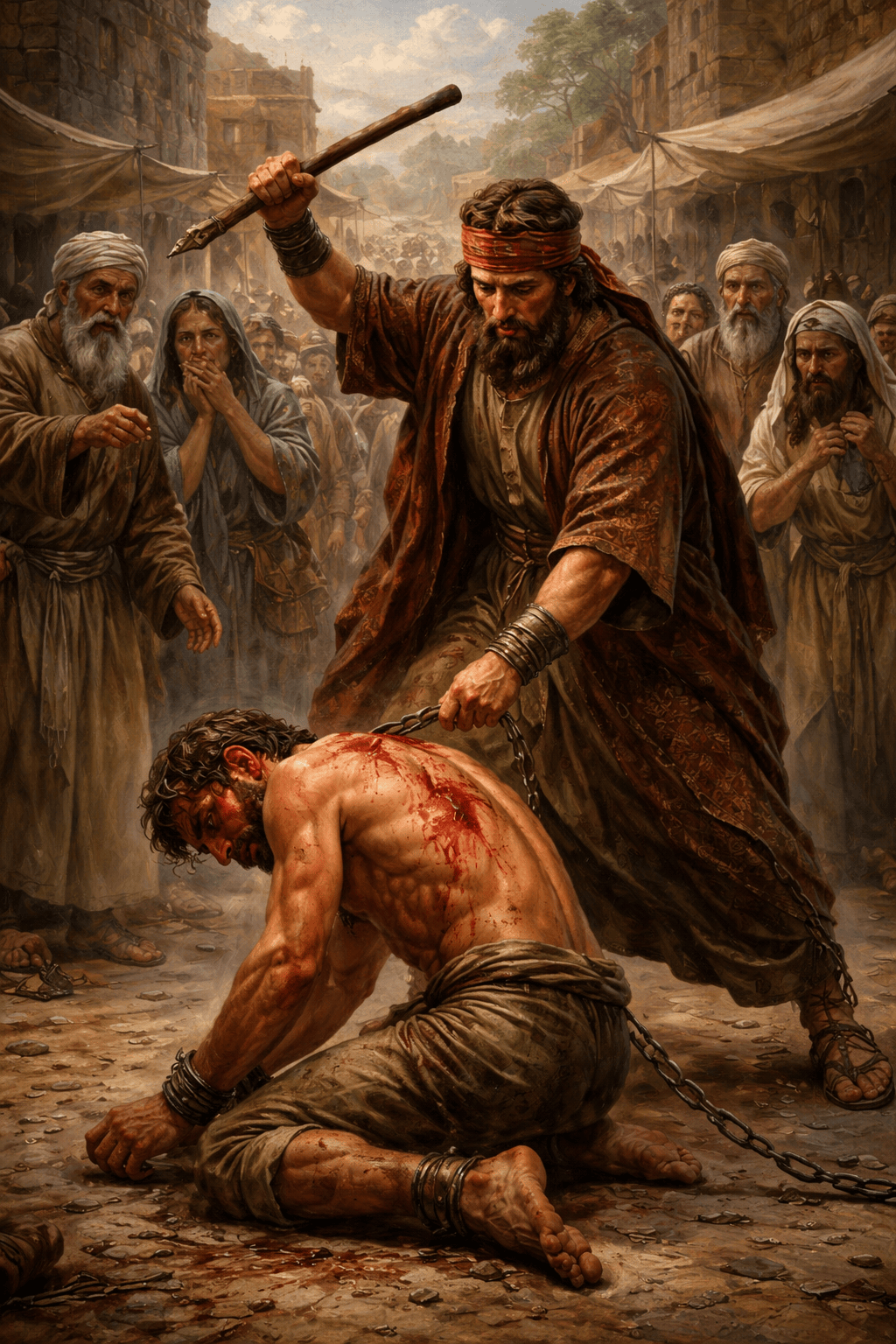
📖 ✝️ Scripture Reading:Exodus 21:20–21
“And if a man smite his servant, or his maid, with a rod, and he die under his hand; he shall be surely punished. Notwithstanding, if he continue a day or two, he shall not be punished: for he is his money.”
Exodus 21:20-21 KJV
“The measure of a society is revealed by how it treats those who cannot resist.”
— Dietrich Bonhoeffer
💒 🕊️ ✨ Context ( Story ) :
Israel has just walked out of Egypt—backs scarred, dignity crushed, voices long silenced. At Sinai, God does not merely give commandments for worship; He gives laws that reshape daily life, especially where power is uneven.
Among tents and tribes, servants lived under authority that could easily turn violent. God steps directly into that space. He neither ignores the reality of servitude nor excuses cruelty within it. Instead, He draws a boundary around human life and says, “Here abuse ends, and accountability begins.”
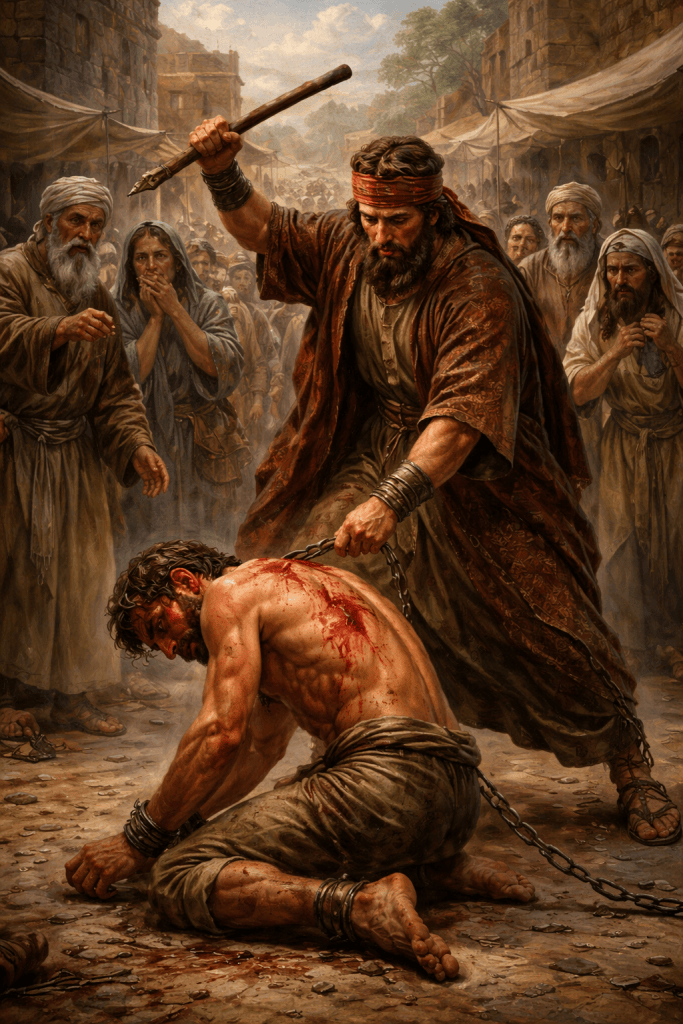
This law does not idealize the system—it restrains its darkness. Where ancient cultures treated servants as disposable tools, Israel’s God declares that even the least protected life falls under His justice.
Smite-Root Meaning: To strike forcefully, to beat, to wound with intent.The law confronts intentional violence by naming it clearly, refusing to spiritualize or soften abuse of power.
🤔 🪞 💡 Reflection Thought :
This passage forces us to face a sobering truth: systems may tolerate cruelty, but God never does. The distinction between immediate death and delayed death is not an excuse for harm; it is a legal way of discerning intent in a fallen world. God’s concern is not the protection of authority but the preservation of life. Even where structures are broken, His justice penetrates. The servant’s body becomes a courtroom where God Himself testifies that power must answer to Him.
🎬🔛 Historical True Story :
“From Chains to Conscience: The Conversion of John Newton”
Location: Liverpool, England
Year: 1748–1764
John Newton was once a hardened slave trader—known for his cruelty at sea. He trafficked human lives with little remorse, commanding ships where suffering was routine and discipline was enforced with brutality. In 1748, during a violent storm in the Atlantic, Newton believed death was imminent. In terror, he cried out to God—words he later admitted he barely understood.
Surviving the storm did not immediately change his profession, but it fractured his conscience. Over years, Scripture haunted him. The faces of chained Africans followed him into prayer. Eventually, Newton abandoned the slave trade entirely, became an Anglican pastor, and later joined William Wilberforce in the fight against slavery.
The man who once profited from human pain wrote these words:
“Amazing grace, how sweet the sound, that saved a wretch like me.”
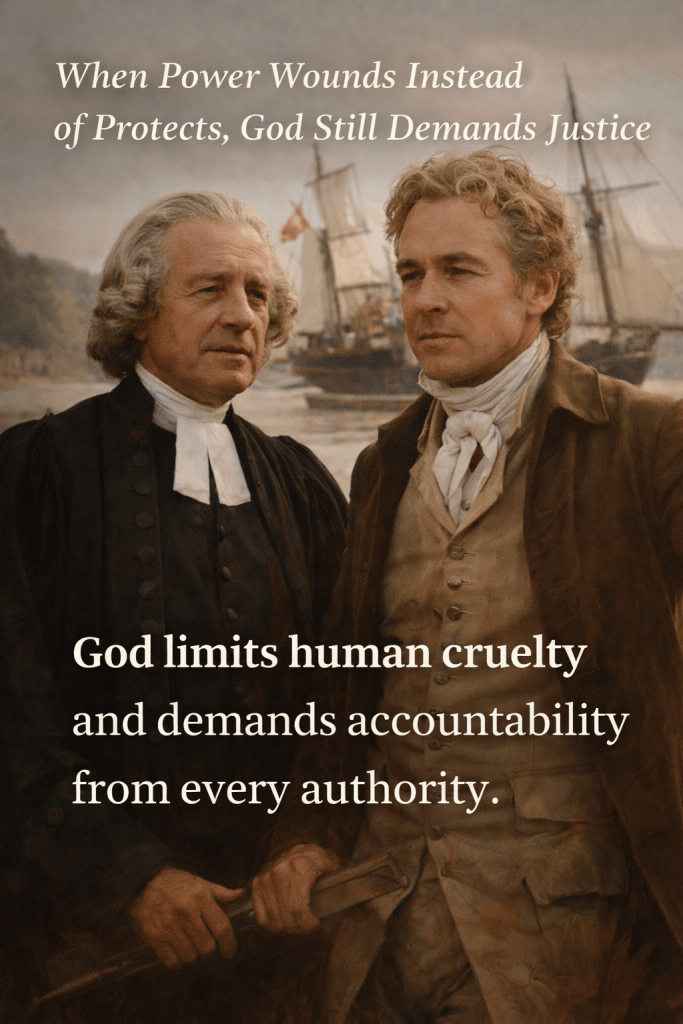
Newton’s transformation did not erase his past, but it redirected his power—from exploitation to advocacy, from silence to repentance, from cruelty to compassion.
🔗 Source:
https://www.biography.com/religious-figure/john-newton
⚒️🎯 Personal Application :
When we read this text, we realize that God watches how we handle authority—at home, at work, in ministry, and in society. We are reminded that strength is not proven by control but by restraint. We are warned that discipline without love becomes violence, and leadership without accountability becomes oppression. We are also comforted: even when human systems fail us, God still sees, weighs, and judges rightly. We are called to reflect His heart by protecting the vulnerable, examining our own use of power, and standing where dignity is threatened.
🙏 🕯️Prayer:
Lord of justice and mercy, Search our hearts where power has hardened us. Teach us to lead with gentleness, correct with wisdom, and protect with courage.May we never wound where You call us to heal. Amen.


Leave a comment